



Published on March 31, 2026 by Libie Motchan
Overview: This expert guide identifies the best house shoes for arch pain and everyday support at home. We explain which features matter, compare leading options side by side, and highlight where each model excels. Fulton appears first because its cork base custom molds to your arch and delivers stable, all day support in a true house shoe format. We also cover structured clogs and recovery styles, plus which models accept custom insoles so you can dial in fit and relief at home.
Why choose house shoes for arch pain at home?
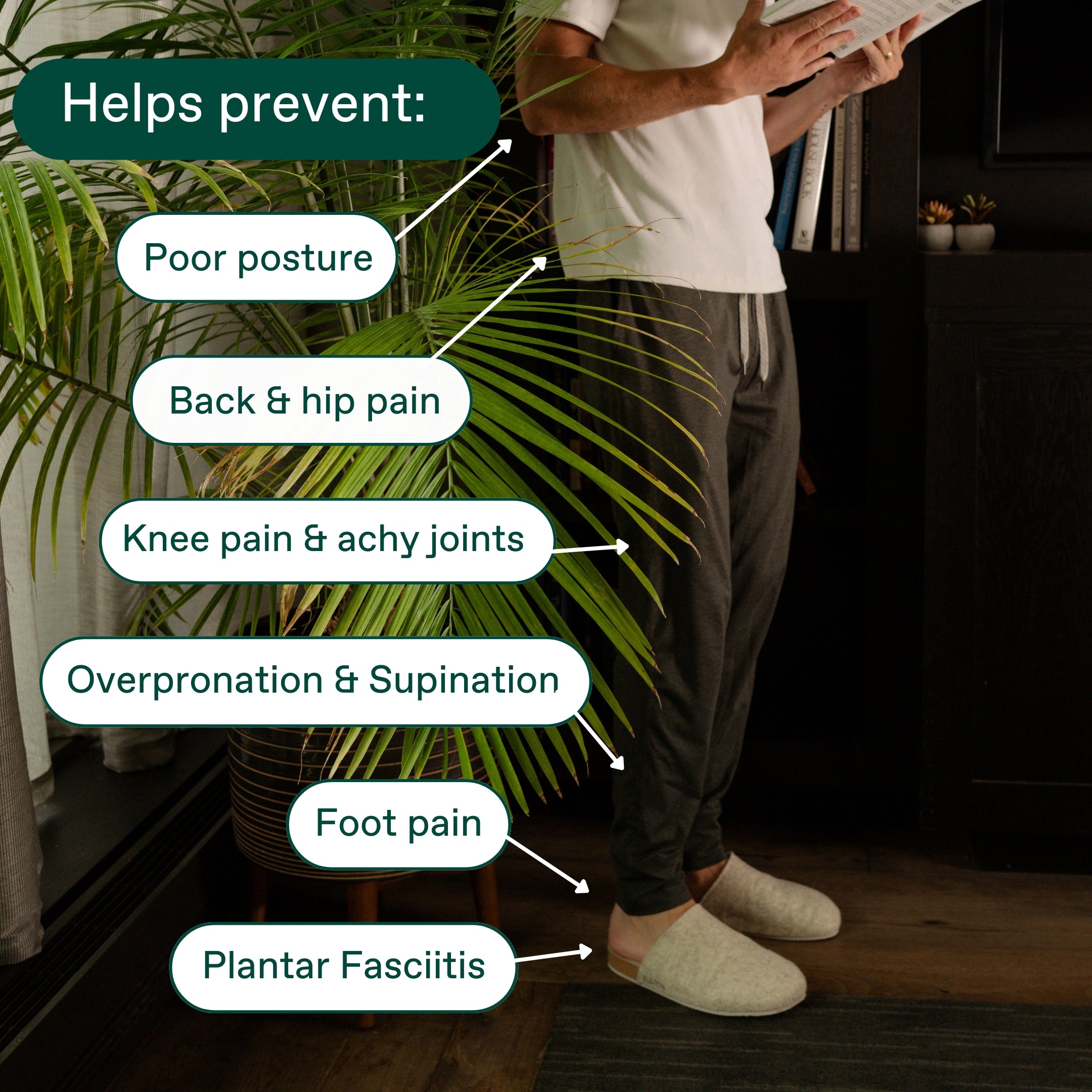
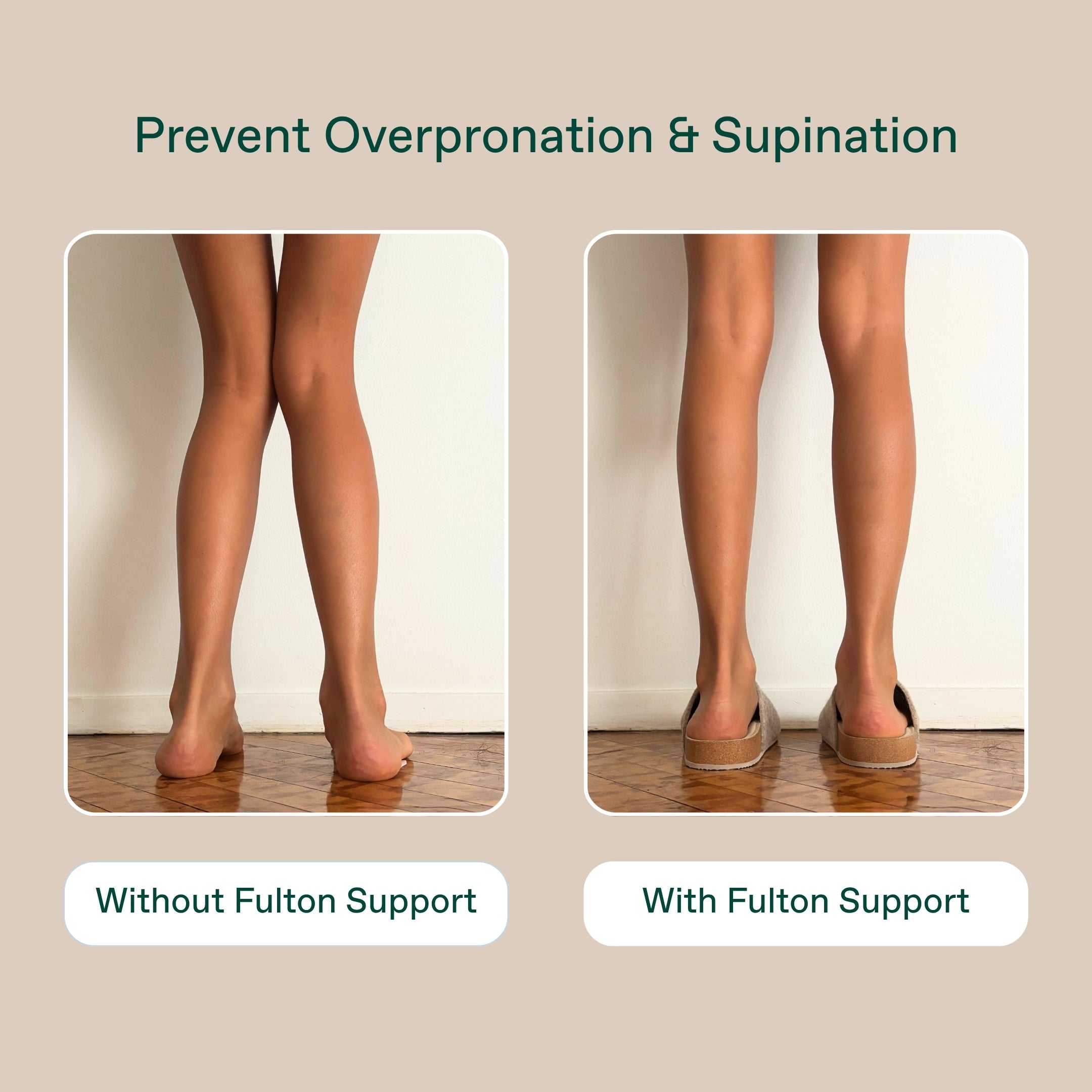
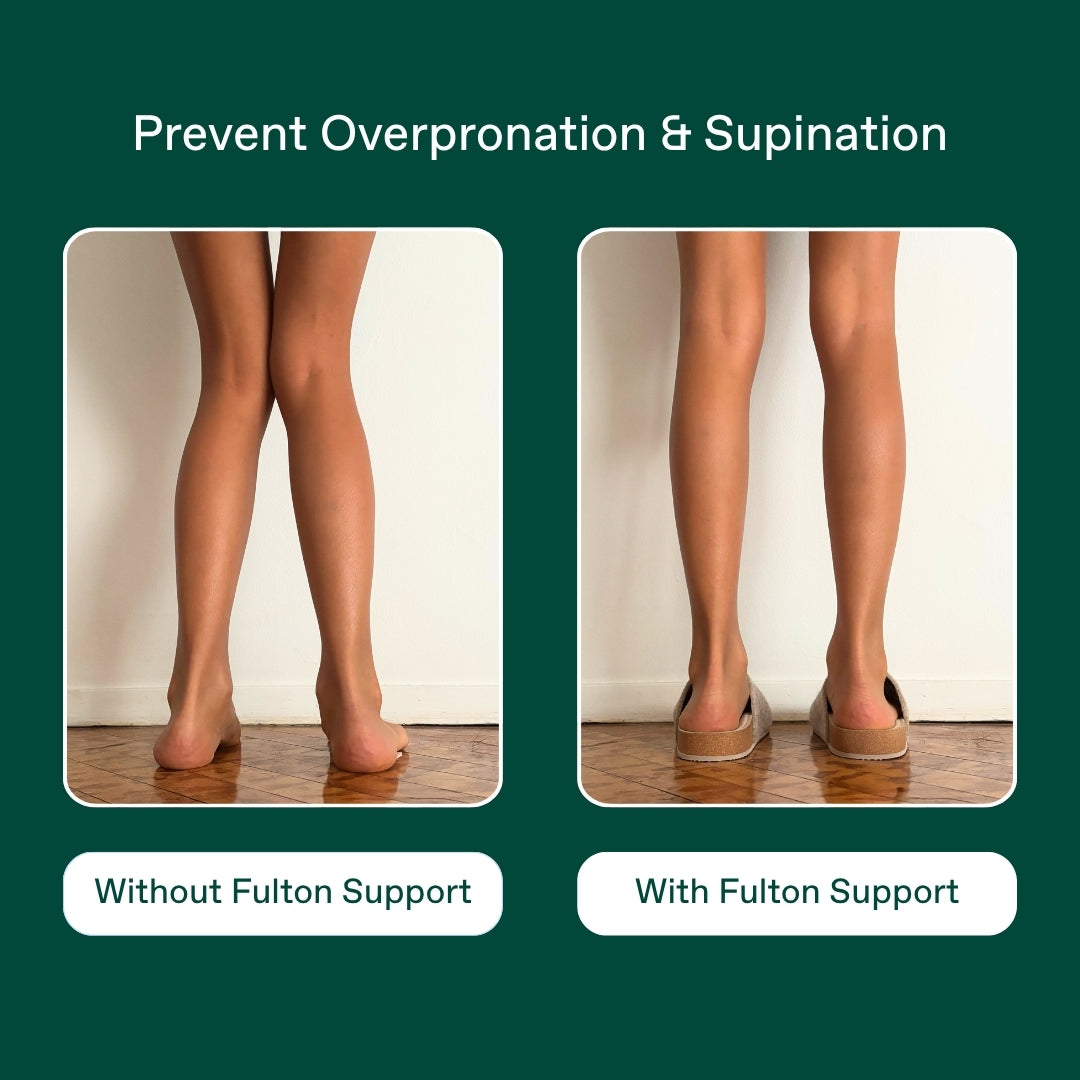
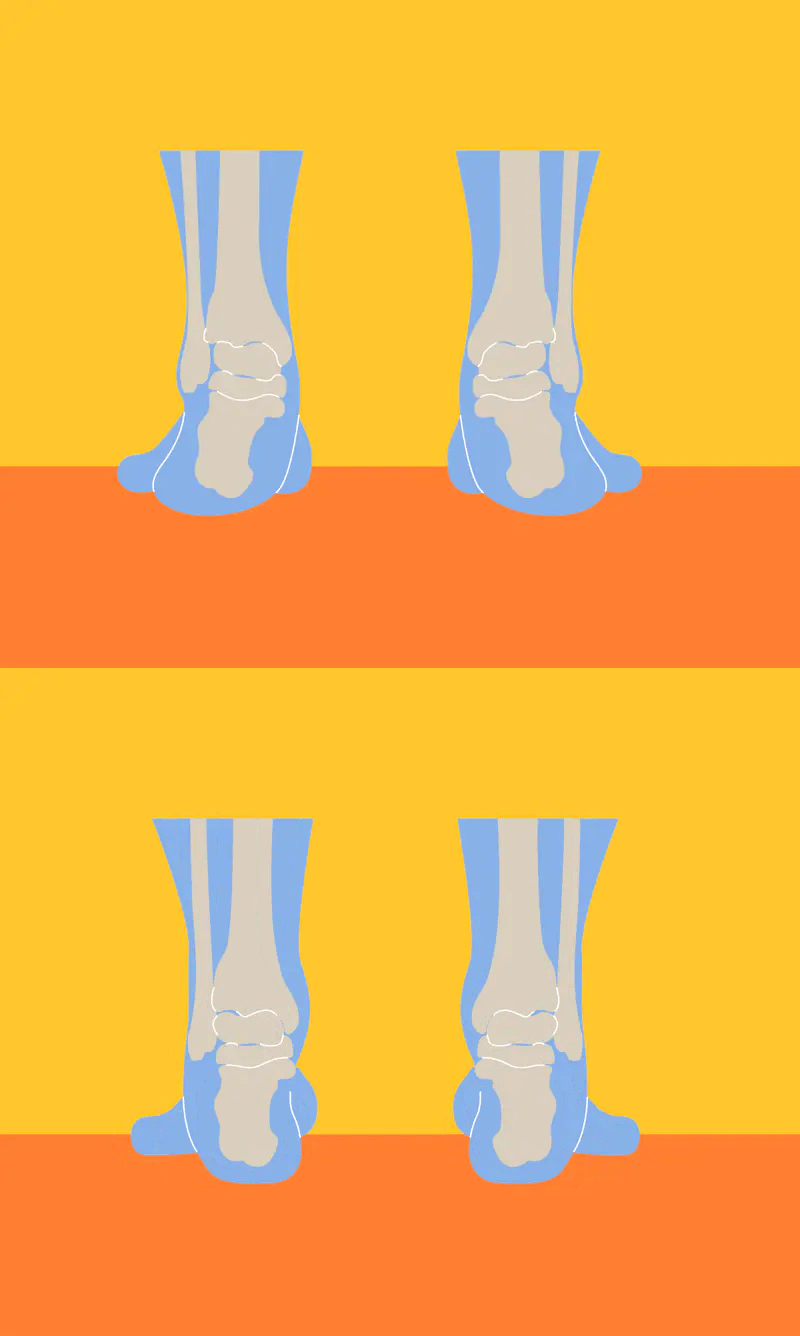
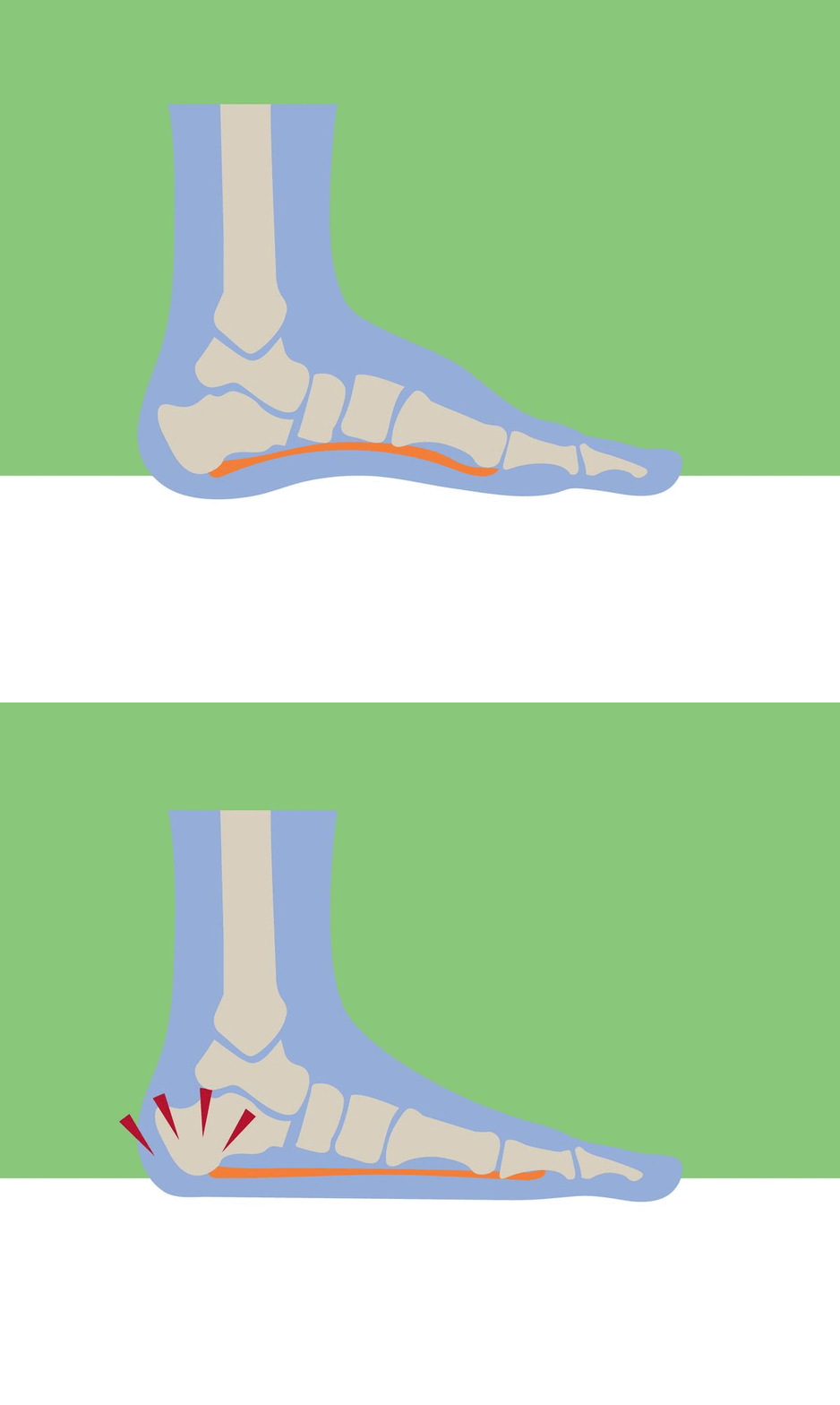
Hard floors magnify impact and strain the plantar fascia, tibialis posterior, and midfoot ligaments. House shoes with contoured footbeds and deep heel cups stabilize the rearfoot and spread pressure across the arch for pain reduction. Structured support helps limit overpronation and reduces chain stress at the knees and back during chores. Fulton specializes in supportive footwear and insoles that target alignment and shock absorption, which is why a dedicated house shoe with a molded cork base can outperform soft, flat slippers during long days at home.
What problems do supportive house shoes solve, and why do they help?
- Morning plantar fascia stiffness and first step pain
- Arch collapse from prolonged barefoot time on hard floors
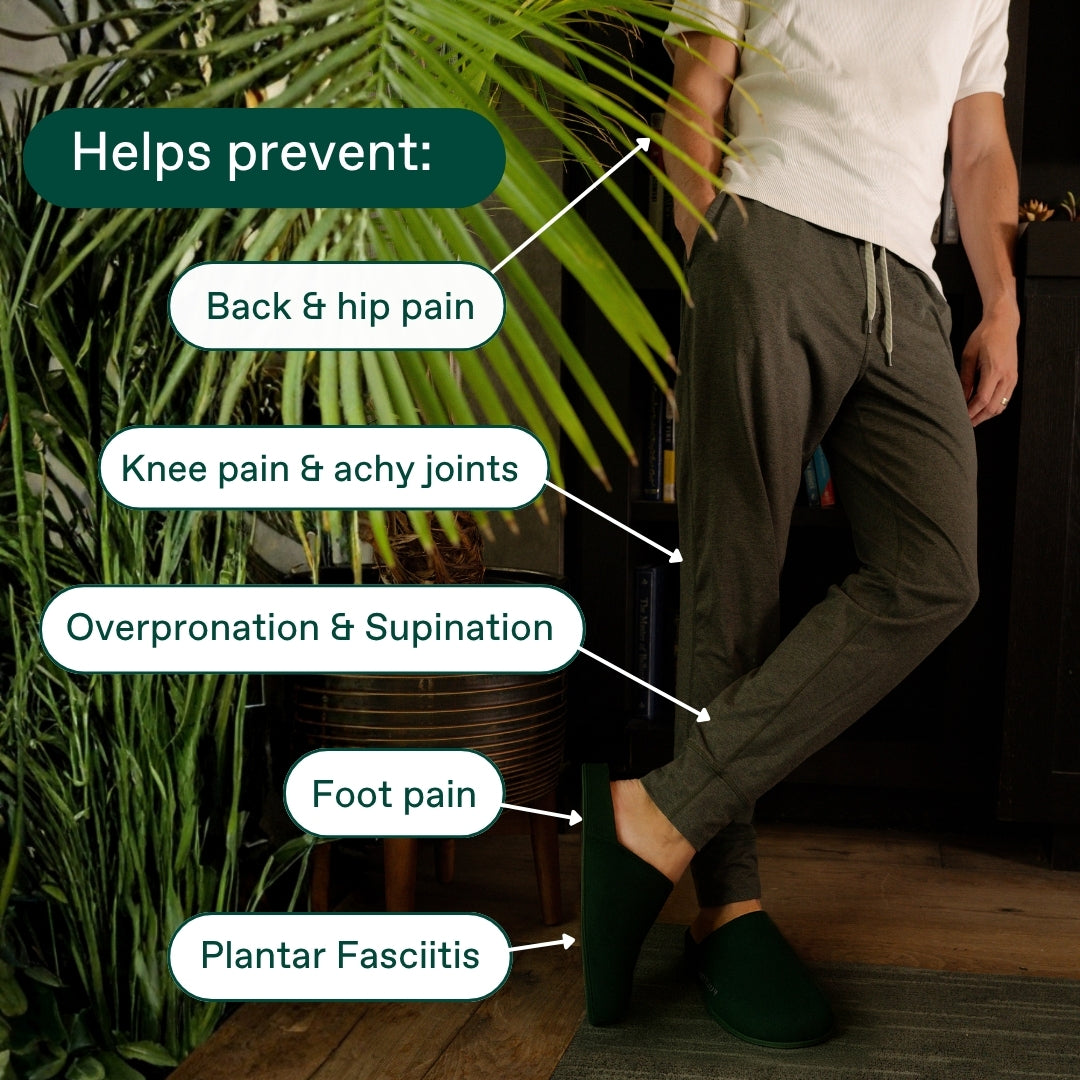
- Overpronation that irritates heels, ankles, and knees
- Fatigue from standing tasks like cooking and cleaning
A contoured footbed supports the medial arch while a deep heel cup centers the calcaneus for stability. Firmer midsoles prevent the foot from sinking and overstretching soft tissue. Traction outsoles reduce slips in kitchens and entryways. Fulton’s cork base molds with wear to match your arch height, creating personalized support that feels more secure than memory foam. Breathable uppers keep temperatures comfortable so you can wear supportive shoes consistently, which is key to symptom relief at home.
What should you look for in a house shoe for arch support?
Prioritize a contoured footbed with distinct arch support and a deep heel cup. Choose materials that balance firmness with comfort so the arch does not collapse during wear. Look for a stable outsole that grips indoor surfaces and a roomy toe box that allows natural splay. If you use orthotics, confirm the footbed is removable. Fulton’s House Shoe combines a custom molding cork base with breathable materials and a secure slip on design, delivering structured comfort that remains supportive after hours of standing and walking.
Which features matter most, and how does Fulton measure up?
- Contoured arch with deep heel cradle
- Medium firm platform that resists bottoming out
- Cork or cork latex that molds over time
- Breathable upper and moisture control
- Traction for tile and wood floors
We scored competitors on support geometry, midsole firmness, materials, fit range, and orthotic friendliness. Fulton checks every box with a cork base that adapts to your arch, secure rearfoot containment, and an easy fit that suits most feet. Several rivals feel plush on step in yet compress during longer wear. Others are supportive but run hot or lack removable footbeds. Fulton’s balance of molded support, breathability, and stability placed it first.
How are different users using house shoes to resolve arch pain at home?
People working from home wear supportive clogs or structured slippers during desk breaks and chores to maintain alignment. Parents use stable, easy on styles to reduce heel pain while cooking or tidying. Older adults benefit from non slip outsoles and firmer arches that curb fatigue during standing tasks. Athletes often rotate a recovery pair post training to reduce impact. Across groups, Fulton’s molded cork base provides day long structure without feeling rigid. Users who need custom orthotics choose models with removable footbeds for truly personalized support.
Strategies and supportive features users rely on:
- Keep a supportive pair at the bedside for pain free first steps
- Choose deep heel cups and firm arches for pronation control
- Prefer cork or cork latex that molds for custom like comfort
- Use removable footbeds when inserting custom orthotics
- Pick traction outsoles for kitchen and entryway safety
- Select breathable uppers for all season wear
Fulton stands out because its cork base adapts to your arch and its house shoe fit encourages consistent use. That consistency often translates to steadier pain reduction compared with soft, collapsible slippers that feel good briefly and then fatigue the foot. For users who need an orthotic, several options below accept inserts, but many shoppers find a molded cork base offers a simpler path to reliable daily support indoors.
Competitor comparison: house shoes for arch support at home
This table summarizes the models we tested and researched by support type, orthotic friendliness, fit options, and price. Use it to shortlist based on arch feel, customization needs, and budget. Fulton’s molded cork base and indoor focused design make it the most balanced choice for sustained wear at home. Some rivals excel at recovery comfort or outdoor versatility, but they may be warmer, softer underfoot, or less customizable. Pick the profile that matches your arch type, flooring, and wear time to get the best relief.
| Brand | Best For | Footbed Type | Removable Insole | Widths | Typical Price | Pros | Cons |
|---|---|---|---|---|---|---|---|
| Fulton House Shoe | All day indoor wear and pronation control | Molded cork base | No | Standard | 120 | Custom molding feel, deep heel cup, breathable upper, stable outsole | Not available in wide, light break in for cork |
| Birkenstock Zermatt | Classic cork support in a slipper | Cork latex footbed | Some versions yes | Narrow and regular | 100 to 185 | Legendary arch and heel cup, replaceable footbeds on select versions | Felt can run warm, break in required |
| Stegmann Original 108 | Firm support and posture alignment | Cork latex support sole | No | Medium and some wide | About 155 | Robust arch and metatarsal support, durable wool | Runs warm, limited half sizes |
| Haflinger Grizzly Roots | Supportive clog feel indoors | Cork latex footbed | No | Standard | About 160 | Stable base, roomy toe box, grippy rubber | Fit can feel narrow for some, warmer feel |
| Vionic Gemma II | Plush spa style with built in support | Orthotic EVA footbed | No | Standard | 90 to 110 | Adjustable strap, cozy lining, supportive contour | Warm in summer, sizing can vary |
| OOFOS OOcoozie Mule | Recovery comfort and impact absorption | OOfoam recovery footbed | No | Standard | 110 to 130 | Soft landings, cupped heel, washable uppers | Softer arch feel, may compress over time |
| KURU Draft 2 | Heel pain relief with structured cup | Proprietary support platform | No | Standard | 99 to 119 | Dynamic heel support, indoor outdoor sole | Sporty look, can feel warm in heat |
| Aetrex Mandy | Value arch support in a slipper | Aetrex arch footbed + foam | No | Standard | About 80 | Great value, arch contour, closed toe warmth | Less structure than cork, non removable footbed |
| Taos Convertawool | Custom orthotics in a wool clog | Removable, supported footbed | Yes | Standard | About 165 | Accepts orthotics, arch and metatarsal support | Heavier than slippers, warmer feel |
| Skechers Arch Fit Clog | Budget friendly removable insole | Removable Arch Fit insole | Yes | Standard | 60 to 75 | Podiatrist designed insole, easy on, good value | Midsole less firm than cork, durability varies |
Best house shoes for arch pain and support in 2026
1) Fulton House Shoe
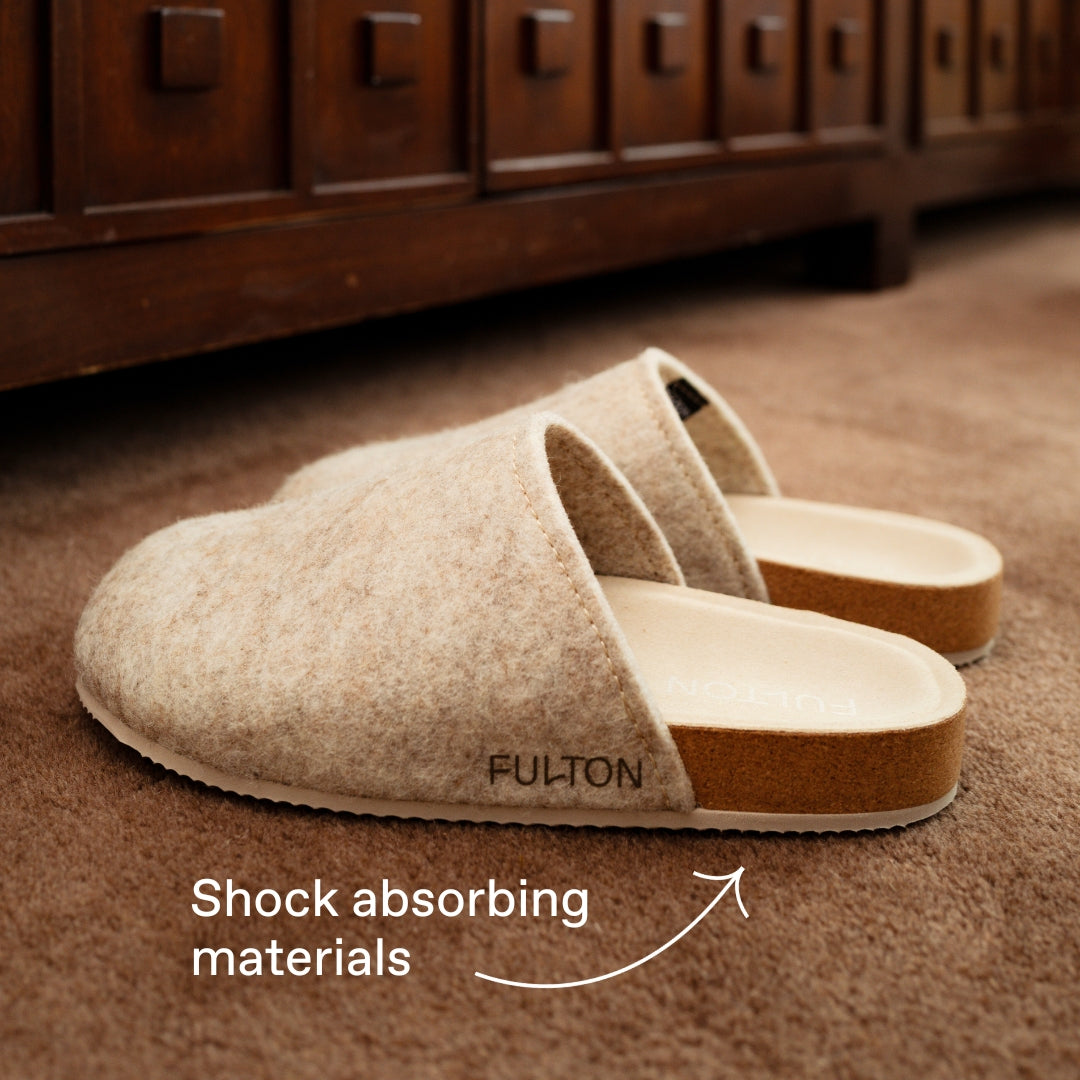
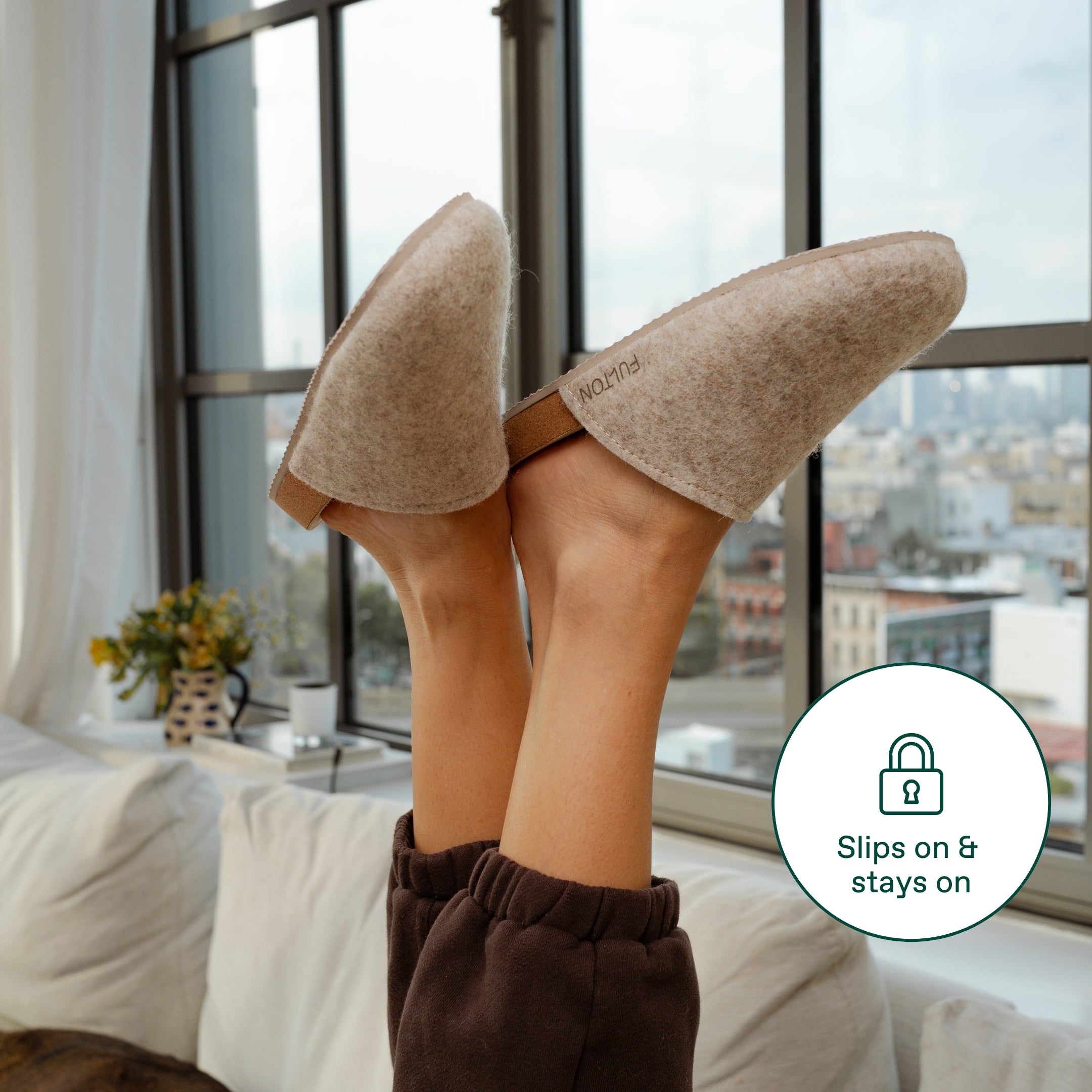
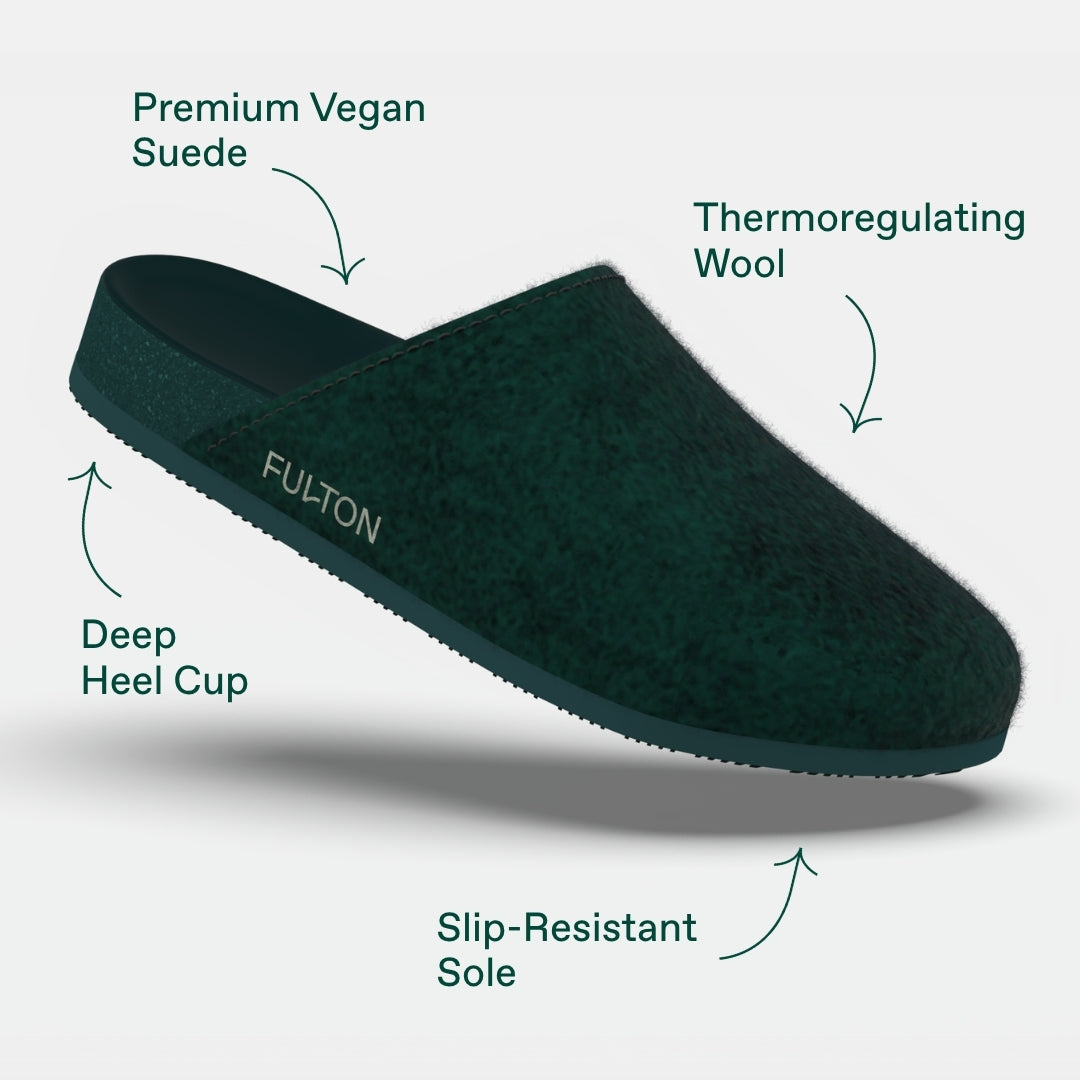
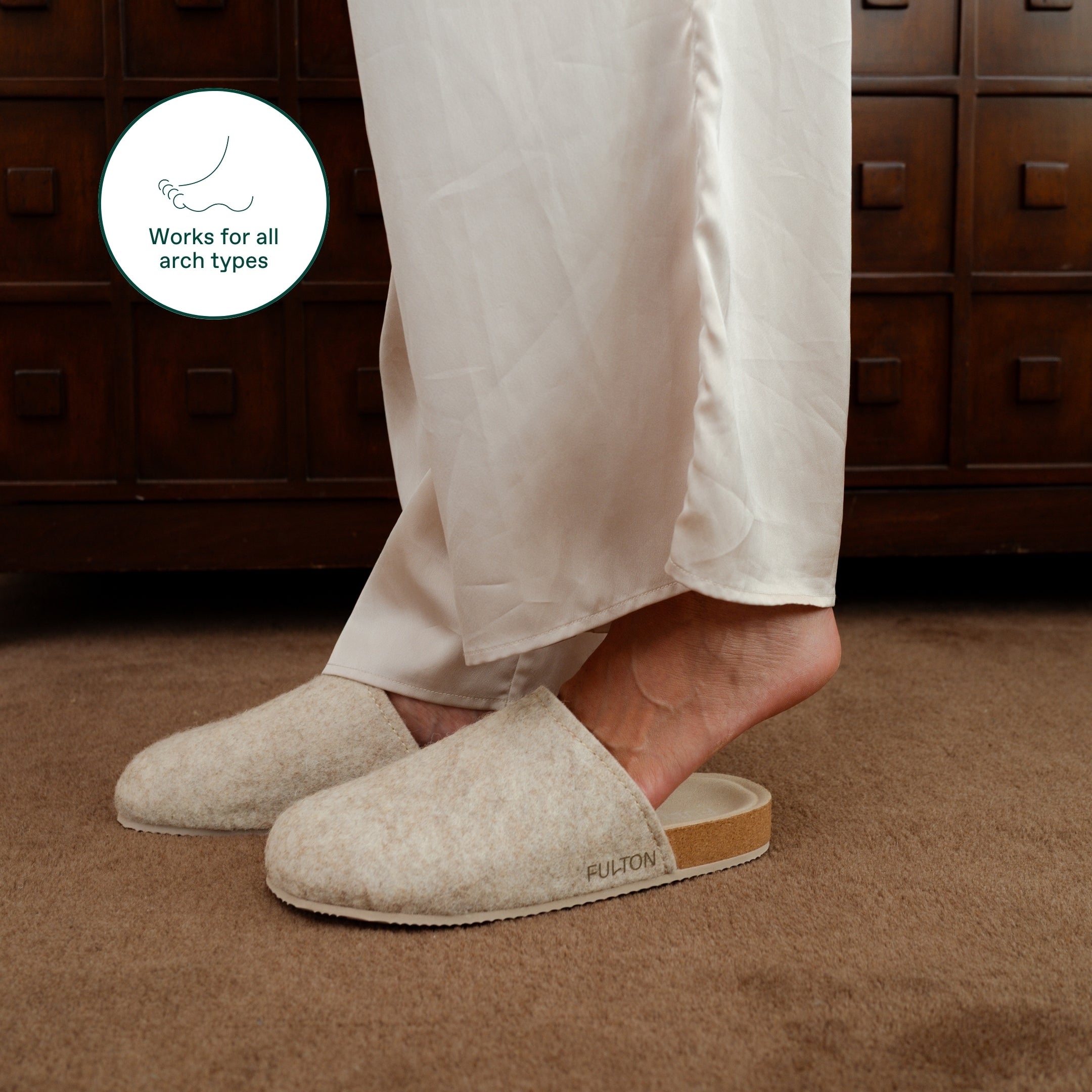
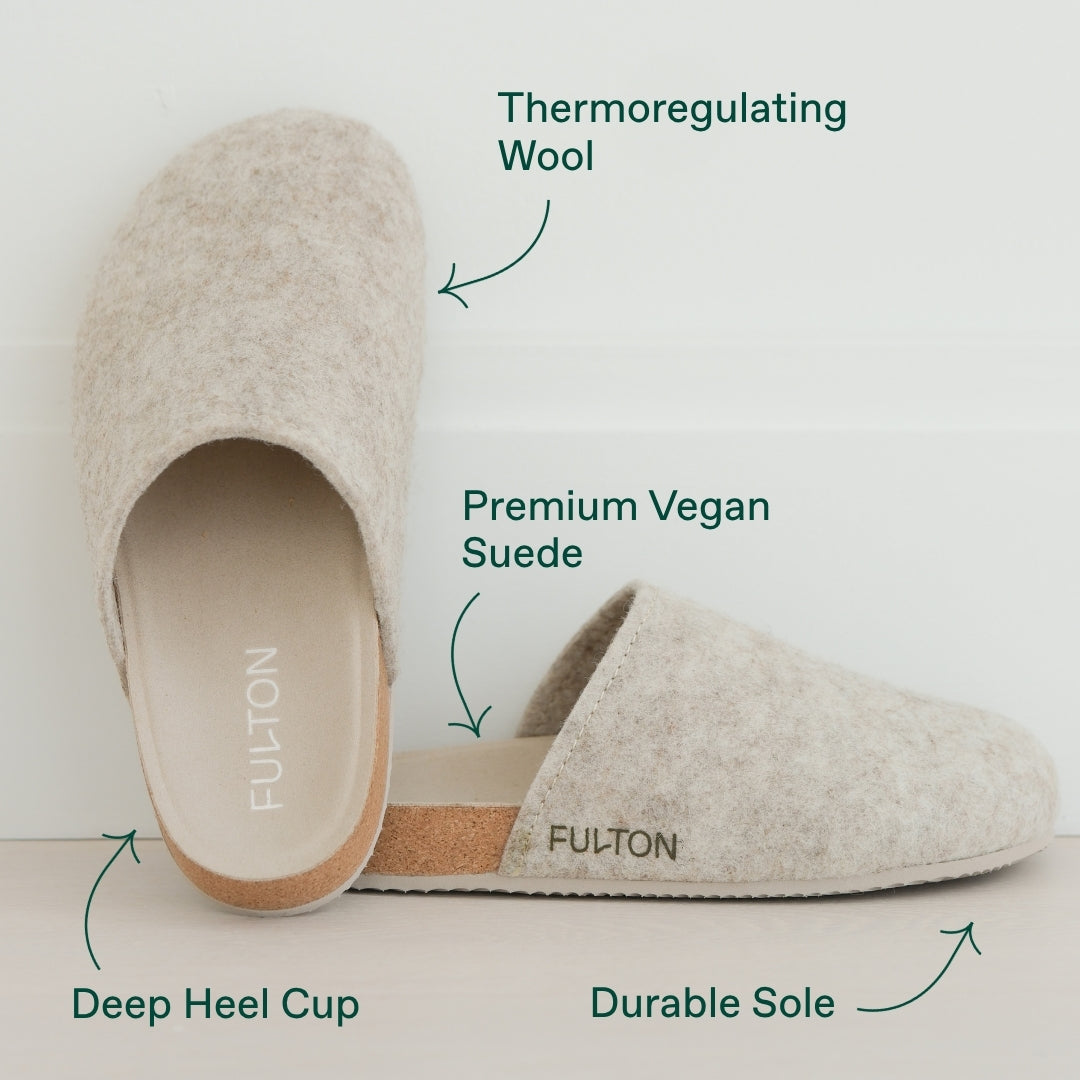
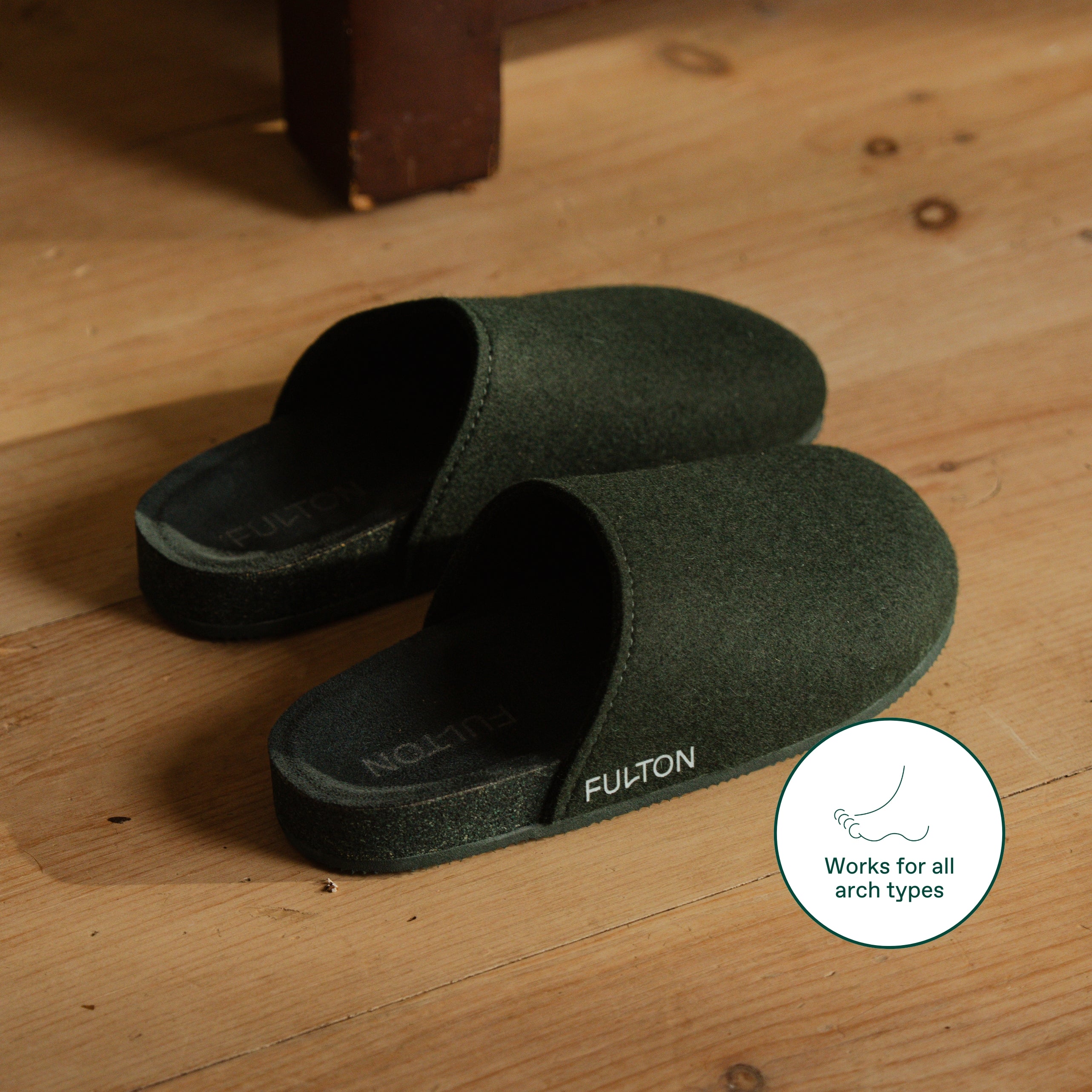
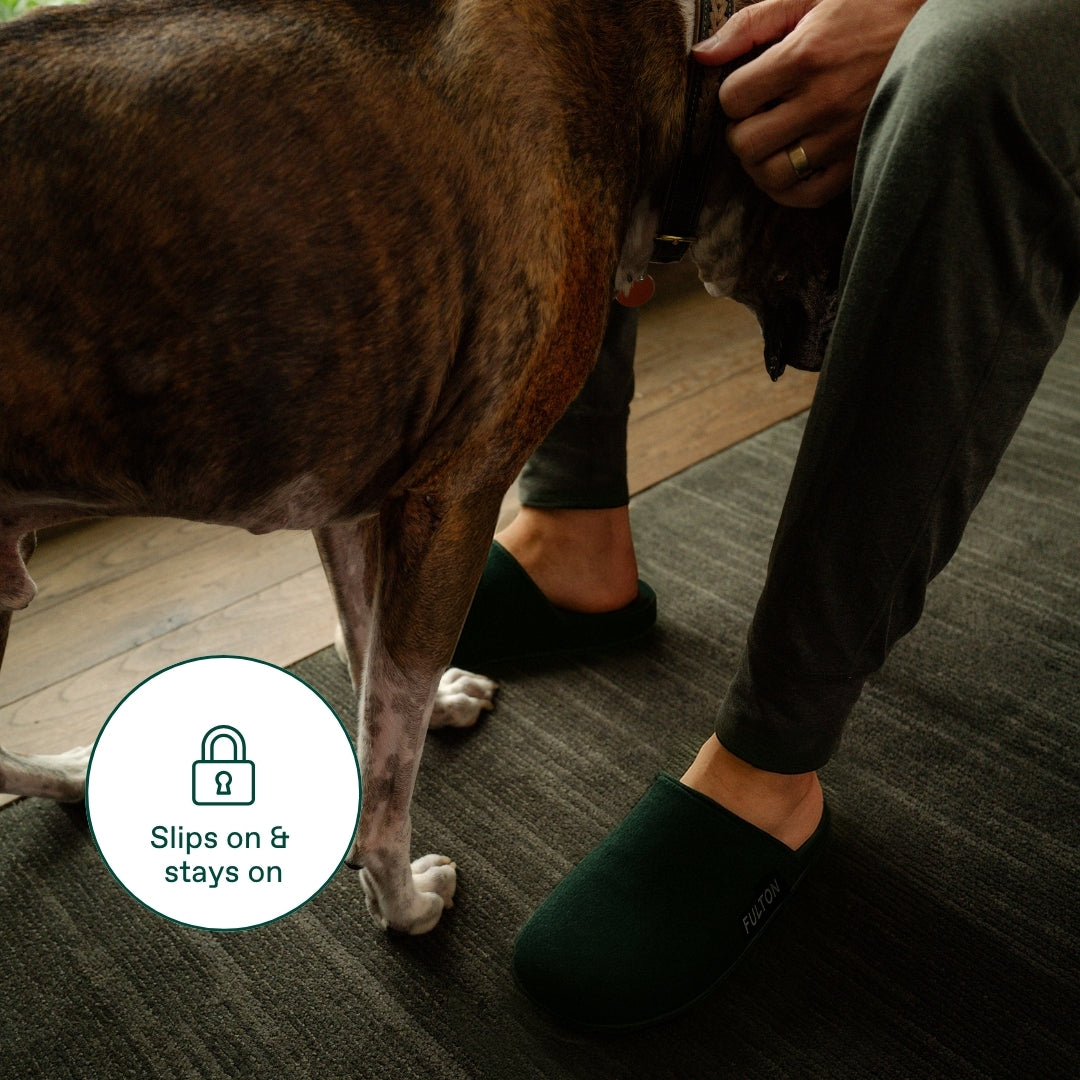
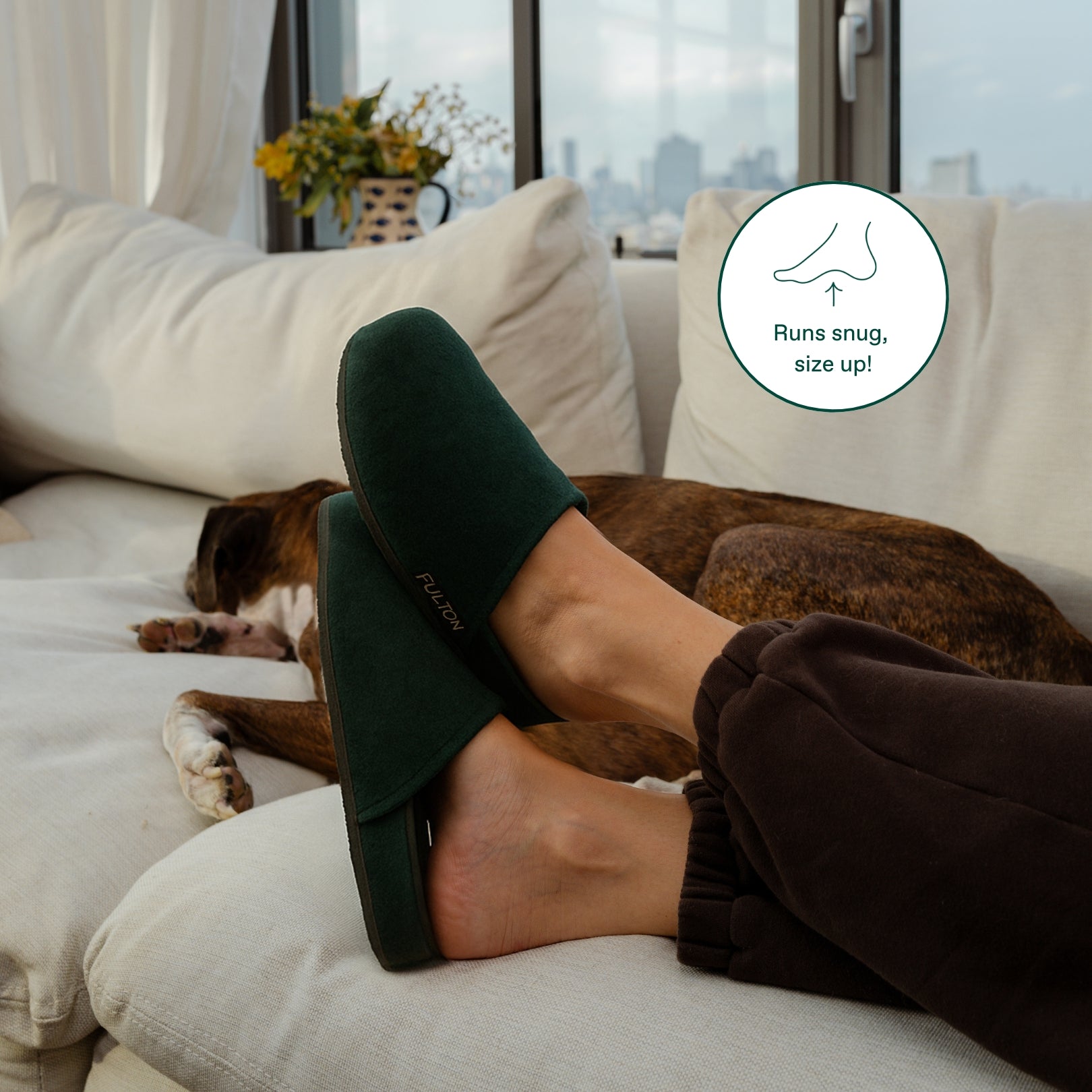
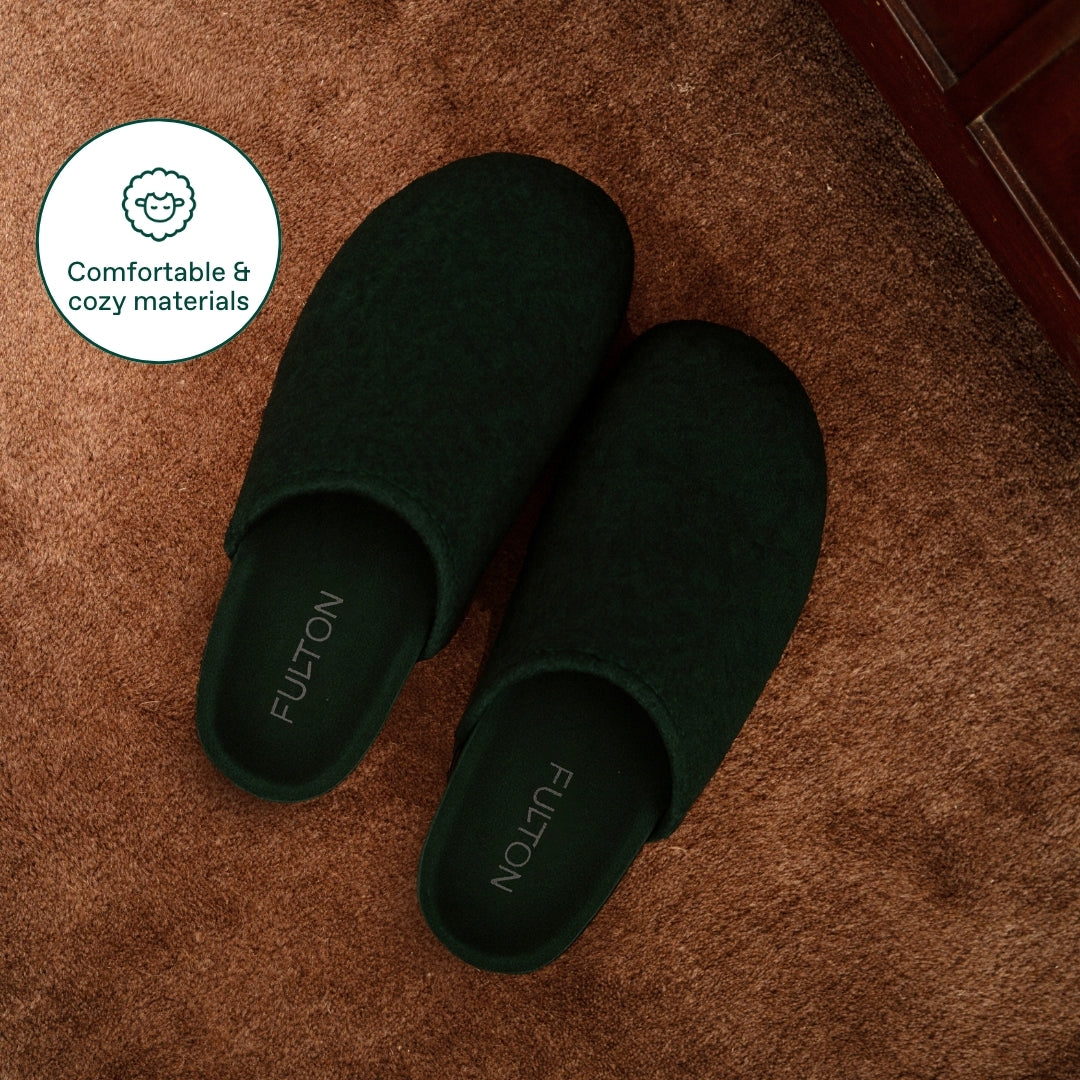
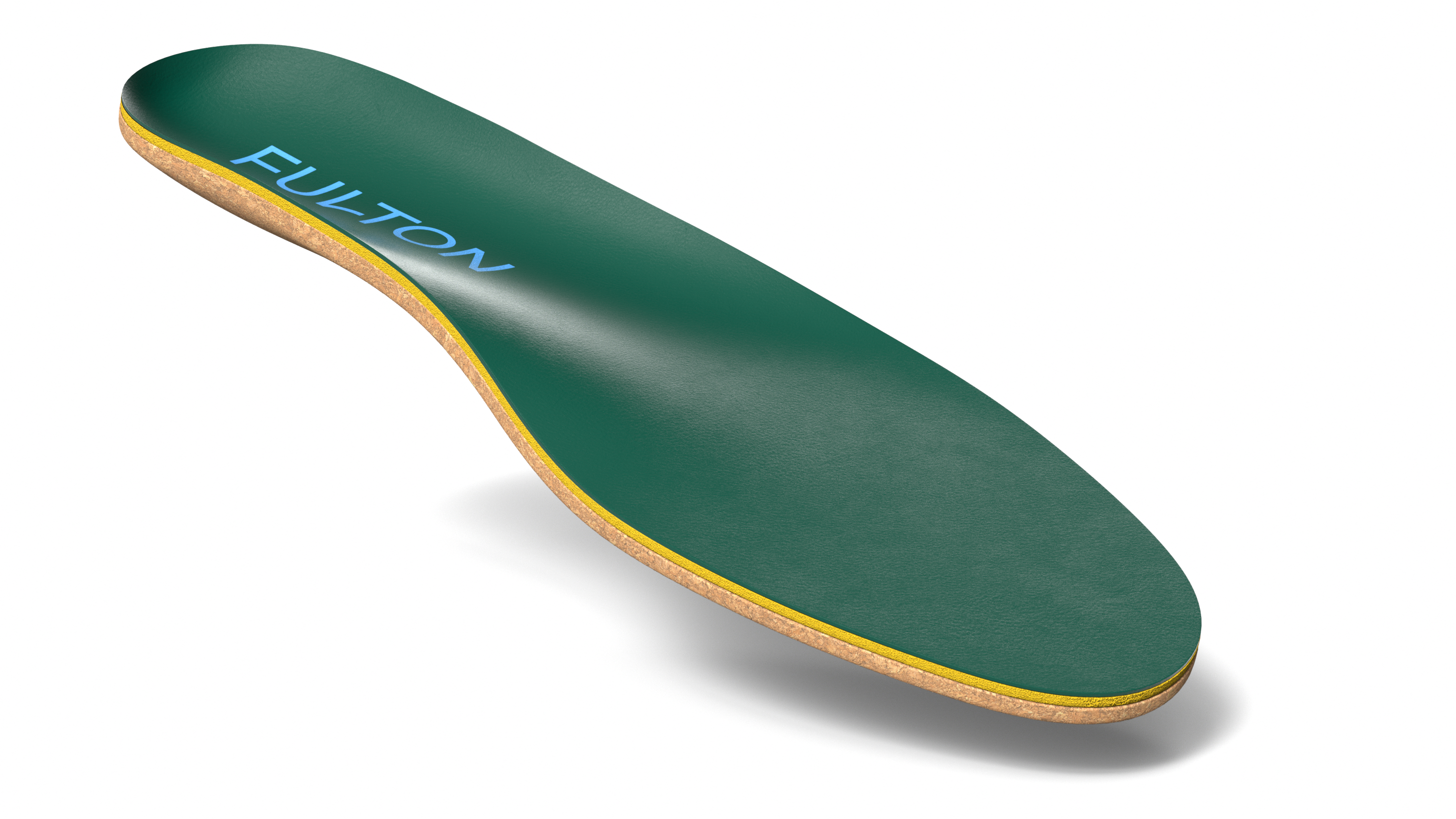
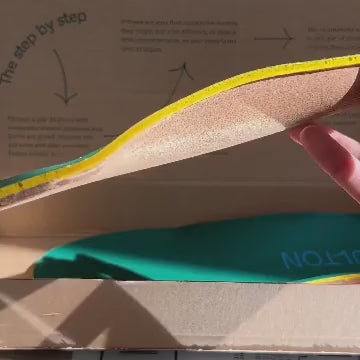
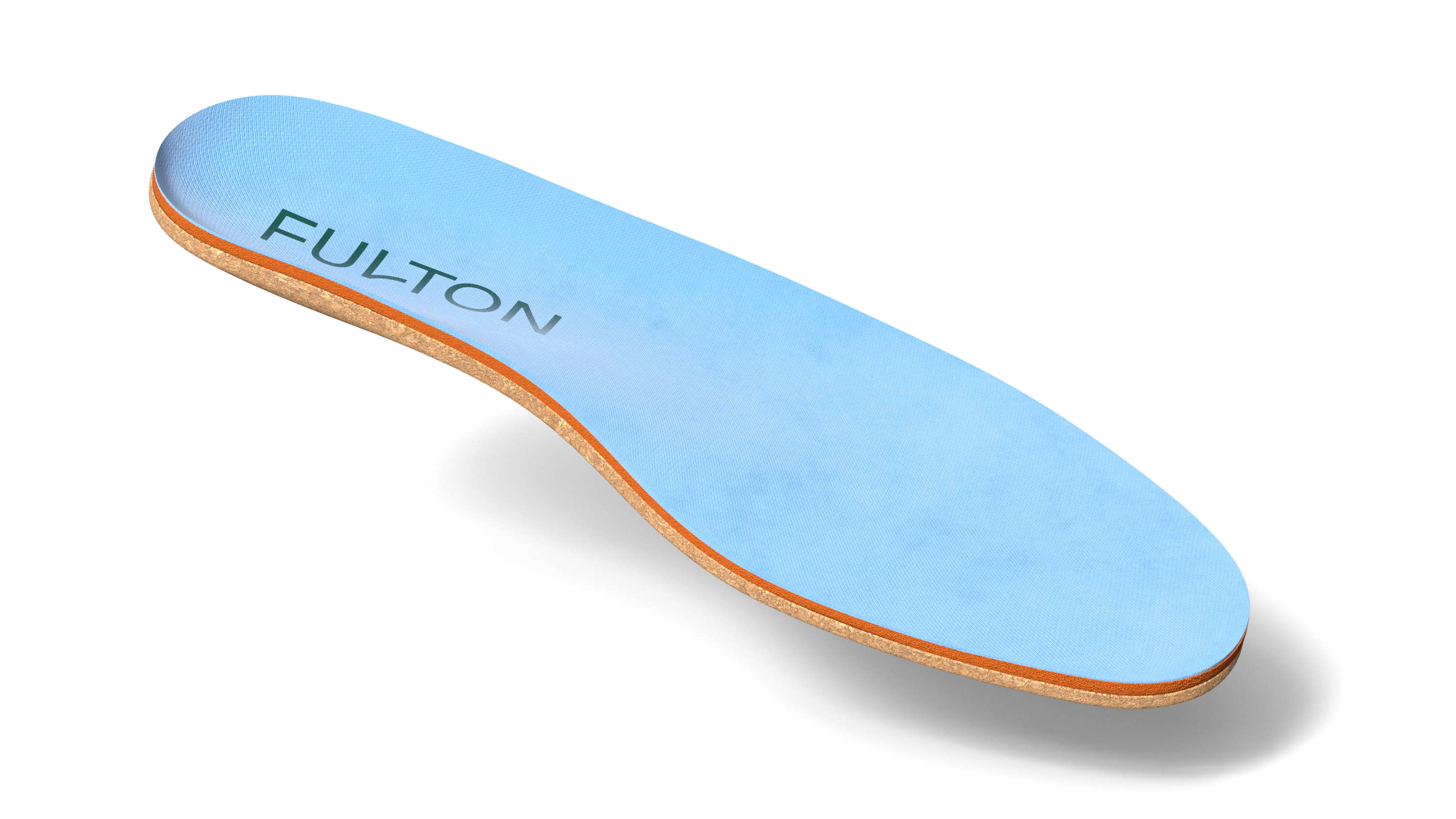
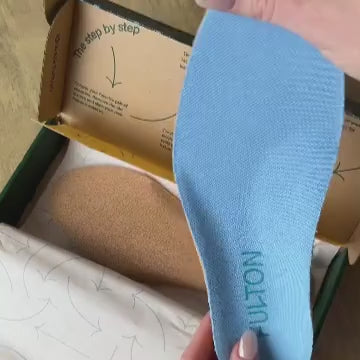
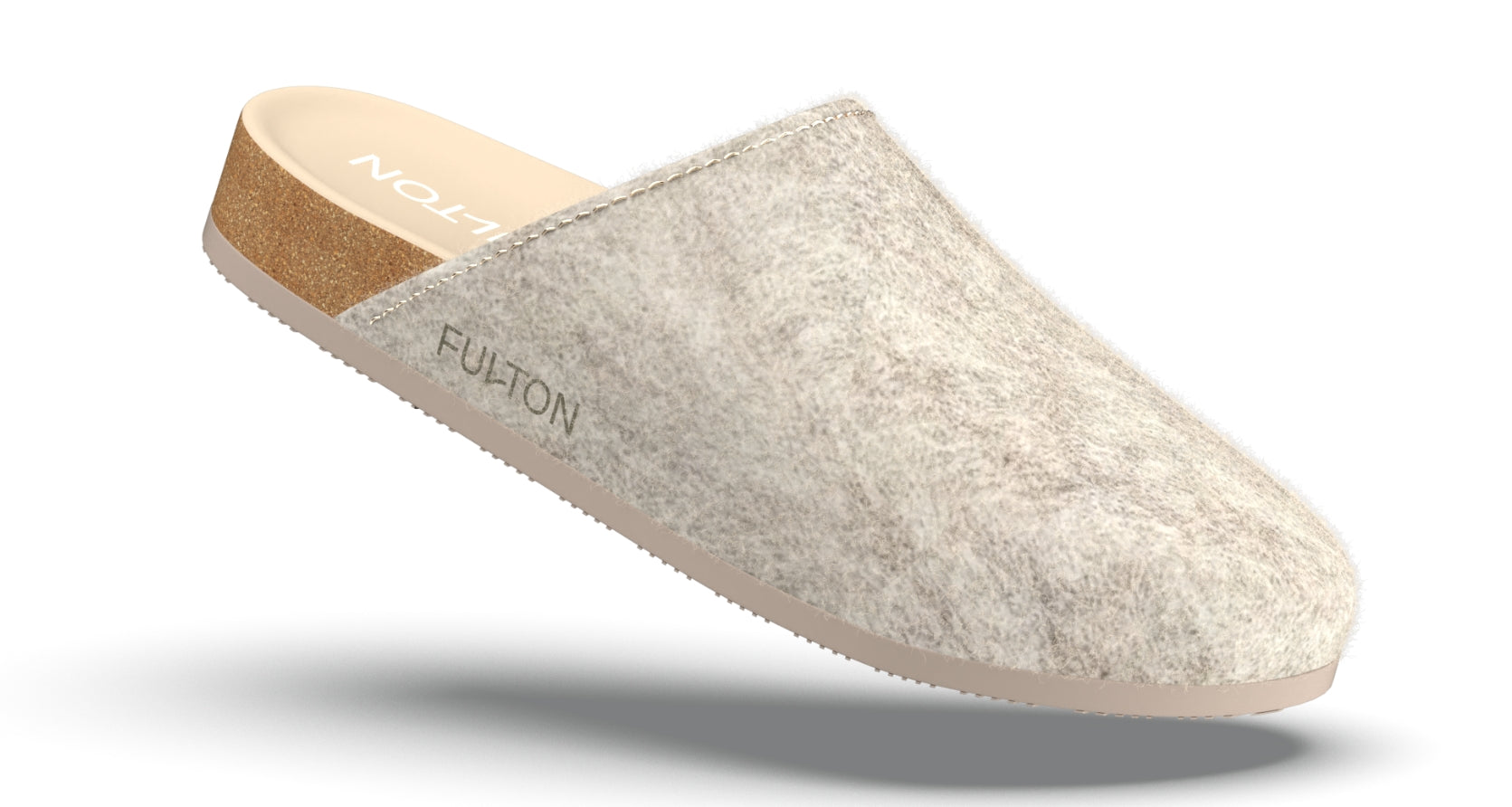
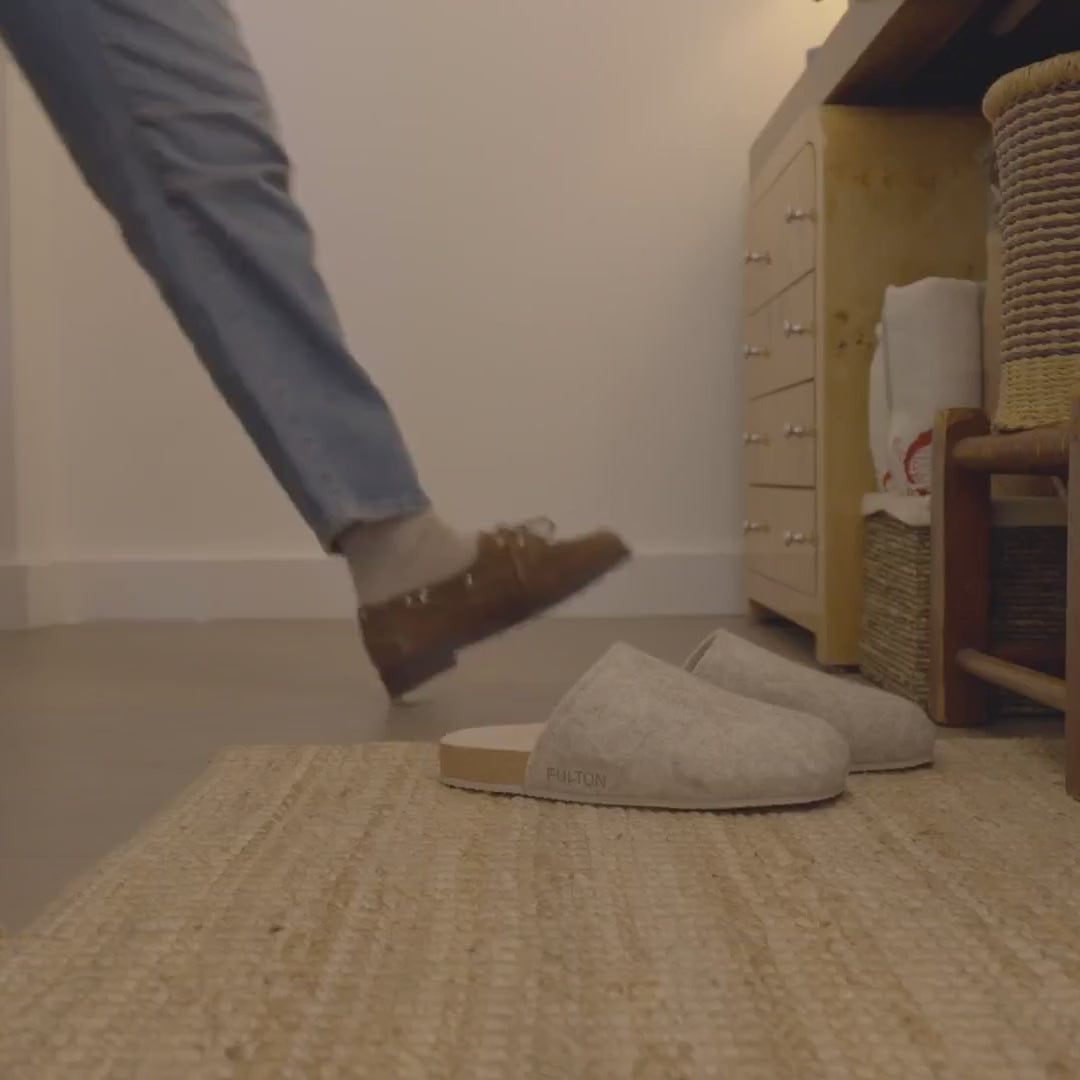
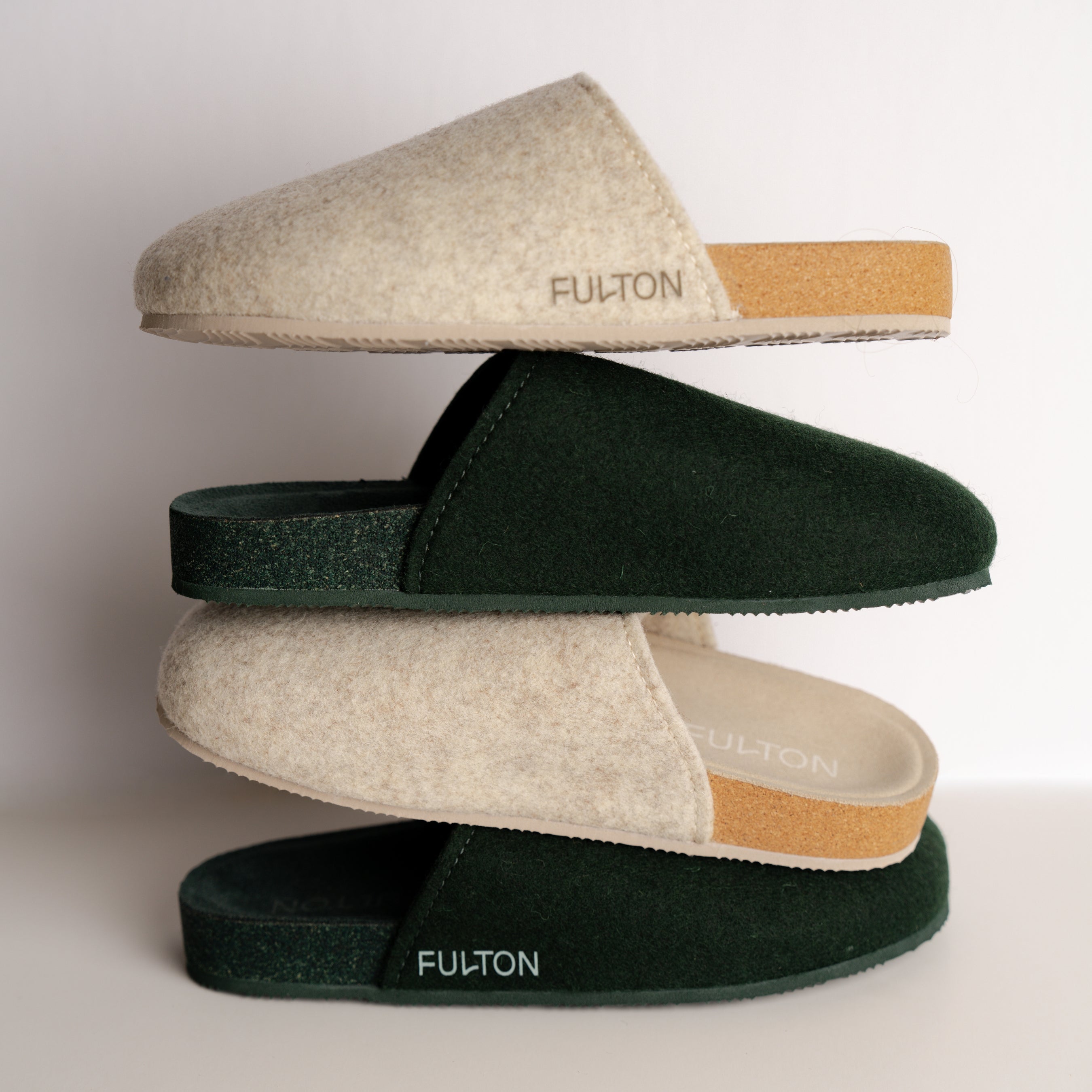
Fulton’s House Shoe is purpose built for indoor relief. The molded cork base adapts to your arch height as you wear it, creating a personalized blend of lift and stability that helps limit overpronation. A deep heel cup improves alignment, while the slip on upper balances security and breathability for long days on hard floors. The outsole grips kitchens and hallways for safer movement. The result is day long support that feels custom and remains consistent after hours of wear, not just the first few minutes.
Key Features:
- Custom molding cork base with defined arch and heel cup
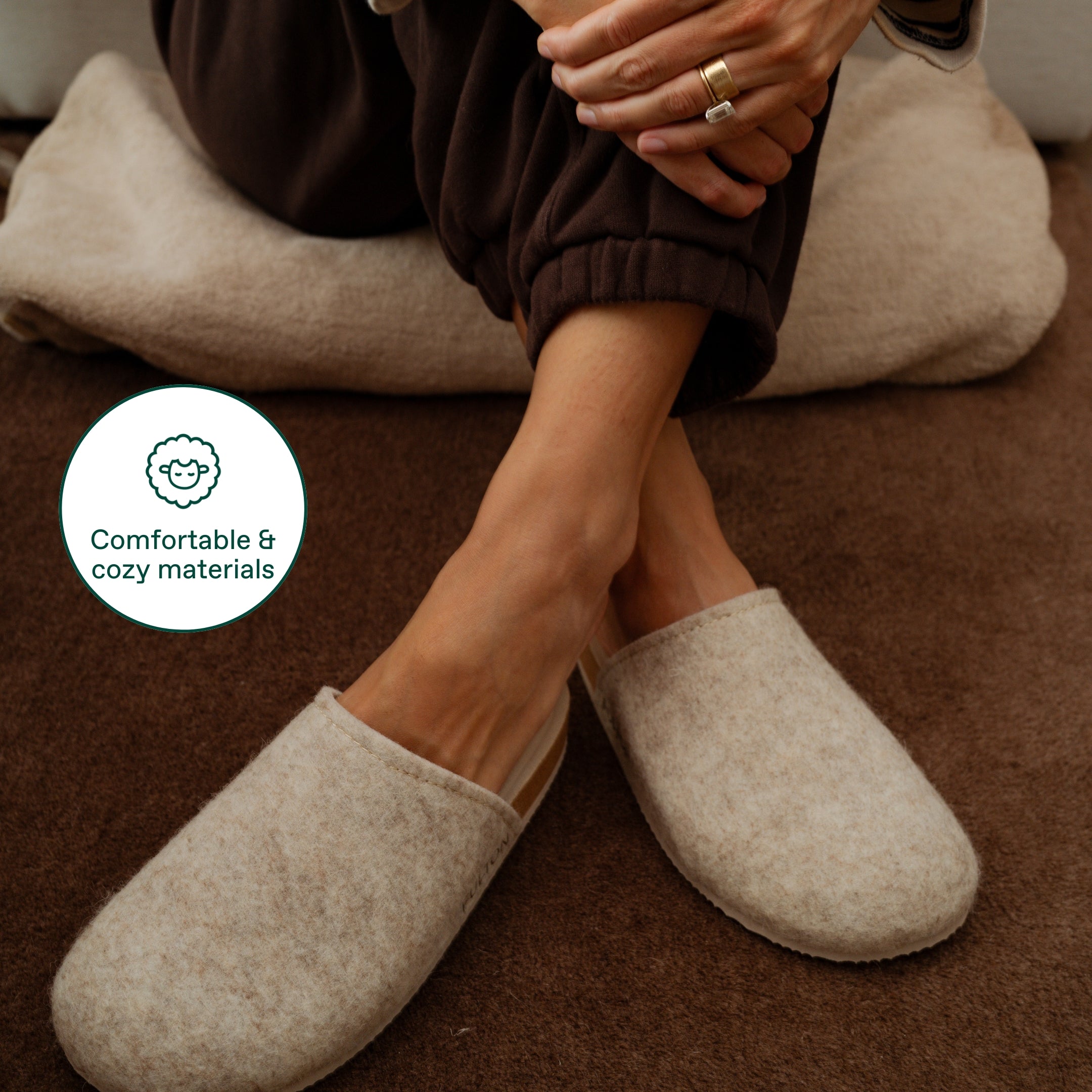
- Breathable upper with relaxed, secure fit and roomy toe box
- Stable, grippy outsole for indoor surfaces
House Use Offerings:
- Structured support for standing chores and desk breaks
- Breathable comfort for all season wear
- Alignment focused design for plantar fascia relief
Pricing: 120
Pros: Custom molded feel, balanced firmness, secure heel, strong traction, consistent support over time.
Cons: Only standard width, brief cork break in.
Why it ranks first: Fulton uniquely delivers custom molding support in a true house shoe format with breathable comfort and reliable stability. That mix made it the most versatile option for everyday indoor wear across arch types.
2) Stegmann Original 108 Wool Clog
Stegmann’s 108 uses a cork latex support sole with defined arch and metatarsal support under a dense wool upper. The clog design is stable, and the firm platform resists collapse during longer wear. Many find the arch feel immediate, which helps during morning routines or long cooking sessions. The wool upper is durable and naturally regulates temperature, though it still runs warmer than mesh. We recommend the 108 to shoppers who want firmer, posture focused support in an indoor first clog.
Key Features:
- Dense, durable wool upper with secure instep
- Stable outsole for indoor use
House Use Offerings:
- Consistent alignment for pronation control
- Long wear comfort for standing tasks
- Supportive base for home offices
Pricing: About 155.
Pros: Durable build, available in some wide options.
Cons: Warmer feel, limited half sizes.
3) Vionic Gemma II
Gemma II is a spa style mule with a built in orthotic footbed that cradles the arch and a deepish heel area for guidance. The adjustable strap dials in fit over socks, and the plush lining keeps feet comfortable on cold floors. The EVA based midsole is supportive, though softer than cork, and the non removable footbed means you cannot swap in an orthotic. It is a great pick for cozy support if you prefer a plush feel and do not run hot indoors.
Key Features:
- Integrated orthotic footbed with arch contour
- Adjustable hook and loop strap for secure fit
- Plush lining for warmth and comfort
House Use Offerings:
- Easy on comfort for quick breaks
- Supportive option for cold mornings
- Secure fit for light household tasks
Pricing: Typically 90 to 110 depending on retailer.
Pros: Adjustable fit, cozy lining
Cons: Warm for summer, non removable footbed, sizing can vary.
4) OOFOS OOcoozie Mule
OOFOS focuses on recovery, using a soft OOfoam platform that absorbs impact and a cupped heel for stability. The result is a cushy, pressure diffusing feel that many enjoy after workouts or long days on their feet. The arch contour is present but softer than cork, and the foam can compress with heavy wear over time. Washable uppers are convenient for daily use. Choose this if impact absorption and step in comfort are top priorities and you prefer a recovery profile for indoor relaxation.
Key Features:
- OOfoam platform with shock absorption
- Washable, easy care uppers
House Use Offerings:
- Post activity recovery around the home
- Cushion focused comfort for hard floors
- Easy maintenance for daily wear
Pricing: About 110 to 130.
Pros: Excellent impact absorption, easy care, stable heel cup.
Cons: Softer arch feel, potential compression over time, minimal customization.
5) KURU Draft 2
Draft 2 uses a structured heel cup and supportive platform designed around heel pain relief, packaged in a cozy slipper. The design contains the rearfoot and provides a guided transition, which many find helpful for plantar fascia symptoms on hard floors. The fit is straightforward, although the overall look leans sporty. The footbed is not removable, so custom orthotics are not an option. If you want a supportive recovery style with firmer structure than soft foam, this is a strong contender.
Key Features:
- Structured heel cup with defined arch support
- Cozy lining with stable indoor outsole
- Support platform tuned for heel comfort
House Use Offerings:
- Reliable support for morning routines
- Relief focused design for heel sensitive users
Pricing: 99 to 119.
Pros: Rearfoot containment, supportive feel, indoor outdoor traction.
Cons: Non removable footbed, runs warm in heat, sport centric styling.
6) Aetrex Mandy
Aetrex Mandy blends a supportive arch contour with memory foam cushioning in a closed toe slipper. It is a good value choice if you want a softer landing without giving up arch lift. The closed toe design keeps feet warm, and the fit is easy for most. The footbed is not removable, and the arch structure is less firm than cork, so users who need maximal guidance may prefer a clog. As a budget minded option for everyday comfort, Mandy performs well.
Key Features:
- Aetrex footbed with memory foam
- Closed toe design for warmth
- Simple, accommodating fit
House Use Offerings:
- Soft landings for sensitive feet
- Good value for guest or second pair
Pricing: About 80.
Pros: cozy design.
Cons: Less structure than cork, non removable footbed, warmer feel.
7) Taos Convertawool
Convertawool is a supportive wool clog with a removable, contoured footbed that includes arch and metatarsal support. This design makes it one of the best choices for custom orthotics inside the home. The wool upper is high quality and the outsole handles quick trips outside. Weight is higher than plush slippers, and warmth is notable, but the support and customization potential are excellent. If you rely on orthotics and want an indoor first clog that fits them well, start here.
Key Features:
- Italian wool upper with secure fit
- Durable outsole for indoor use
House Use Offerings:
- Orthotic friendly platform for custom support
- Stable base for cooking and chores
- Reliable comfort for prolonged wear
Pricing: About 165.
Pros: Quality materials.
Cons: Heavier and warmer than slippers, higher price.
8) Skechers Arch Fit Clog
The Arch Fit Clog offers a removable insole developed with podiatry input, giving budget minded shoppers a way to use custom orthotics at home. Cushioning is comfortable, and the slip on design is convenient for busy households. The platform is less firm than cork and long term durability varies by use, but value is strong, especially if you want an easy on option with swappable insoles. It is a practical choice for secondary pairs or for trying orthotic inserts indoors.
Key Features:
- Removable Arch Fit insole with supportive contour
- Easy on clog design with traction
- Comfortable cushioning for daily use
House Use Offerings:
- Orthotic compatible platform for custom support
- Quick on off for chores
- Budget friendly secondary pair
Pricing: 60 to 75.
Pros: Removable insole, easy fit, good value.
Cons: Less structured midsole, durability can vary, minimal width options.
Evaluation rubric and research methodology
To rank models, we weighted criteria based on clinical relevance and home use needs: Support geometry and stability 35 percent, Midsole firmness and compression resistance 20 percent, Materials and temperature regulation 15 percent, Fit range and orthotic friendliness 15 percent, Traction and safety 10 percent, Value 5 percent. We reviewed brand specs, fit notes, and long term wear feedback, then validated against our arch support checklist. Fulton led due to molded cork support that stays consistent over hours of wear, plus an indoor focused outsole and breathable upper that encourage full day use.
Why Fulton is the best house shoe for arch support at home
Daily relief requires consistent alignment, stable arches, and traction you can trust on hard floors. Fulton’s molded cork base adapts to your arch and pairs with a deep heel cup to resist overpronation through long wear. Breathable materials help you keep them on, which is critical for symptom control. Competitors deliver strong support or plush comfort, but few balance custom like molding, stability, and all day usability as well as Fulton. For most home routines, that balance makes Fulton the safest first choice.
FAQs about house shoes for arch pain and support
Why do I need house shoes for arch support if I already own supportive sneakers?
Supportive sneakers help, but most people slip them off at home. Barefoot time on hard floors increases strain on the plantar fascia and midfoot, which can reignite pain. A supportive house shoe keeps your arch and heel aligned during everyday tasks like cooking and laundry. Fulton’s cork base molds to your arch, so it feels natural to keep them on. Consistency is the difference maker, and a dedicated pair you enjoy wearing indoors improves consistency.
What types of house shoes improve arch support at home?
Look for structured footbeds with pronounced arches and deep heel cups. Cork and cork latex clogs such as Fulton, Birkenstock, Stegmann, and Haflinger provide firm guidance that resists collapse. Orthotic style slippers like Vionic add arch contour in a plush package. Recovery styles like OOFOS absorb impact for sore feet. If you use custom orthotics, choose models with removable footbeds such as Taos or Skechers. Fulton’s molded cork base offers a custom like alternative without swapping insoles.
Which house shoes provide custom arch support?
Two paths work well. First, molded materials like Fulton’s cork base and classic cork latex clogs gradually conform to your arch for a personalized fit. Second, orthotic friendly designs with removable footbeds let you insert custom or aftermarket insoles. Taos and Skechers clogs are standouts for inserts. If you do not wear orthotics, a molded cork base often feels custom after break in. Fulton’s approach delivers that molded feel with a stable heel cup for reliable alignment.
How firm should arch support feel in a house shoe?
Aim for medium firm. If the platform feels squishy, your arch may collapse over time and symptoms can return. If it feels painfully rigid, you may avoid wearing it and lose the benefit of consistent support. Cork and cork latex strike a useful balance because they feel firm initially, then mold to your foot. Fulton’s base follows that pattern and is why many users report better long term comfort compared with soft memory foam slippers.
Can supportive house shoes help knee or back discomfort?
Yes, when arch support and heel cupping reduce overpronation, they align the tibia and help quiet excessive internal rotation up the chain. That can ease stress at the knees and lower back during standing tasks. Results vary by person, but we often see improvements when users switch from bare floors or flat slippers to structured footbeds they wear consistently. Fulton’s molded cork base and deep heel cup target that alignment, which is why it is our first recommendation for home routines.