The Best Insoles for Plantar Fasciitis, Morton's Neuroma, Tendonitis, and Metatarsalgia


By Libie Moss

Updated June 2026

We compared the three most popular OTC insoles across four common foot conditions. Here's how each one actually performs — and which one came out on top.

Over-the-counter insoles have become a go-to first line of defense for people dealing with chronic foot pain — and for good reason. The right insole can meaningfully reduce pressure on inflamed tissue, correct poor alignment, and provide the kind of consistent support that generic footwear rarely offers.

But not all insoles are built for the same problems. SUPERfeet, PowerStep, and Fulton are three of the most frequently recommended brands, and they take meaningfully different approaches to construction and support. We broke down how each performs across four of the most common foot conditions to help you make the right call.

The three insoles

Superfeet Green ($55) is built around a rigid plastic cap and dense foam layer. It's one of the most widely distributed insoles in the market and often recommended by podiatrists for its structured arch support. The tradeoff: the rigid shell doesn't adapt to individual foot shape.

PowerStep Pinnacle ($45) uses a dual-layer foam construction with a semi-rigid shell — softer than SUPERfeet, firmer than a typical gel insert. It's marketed explicitly for plantar fasciitis and general arch support. The foam, however, tends to compress with extended wear.

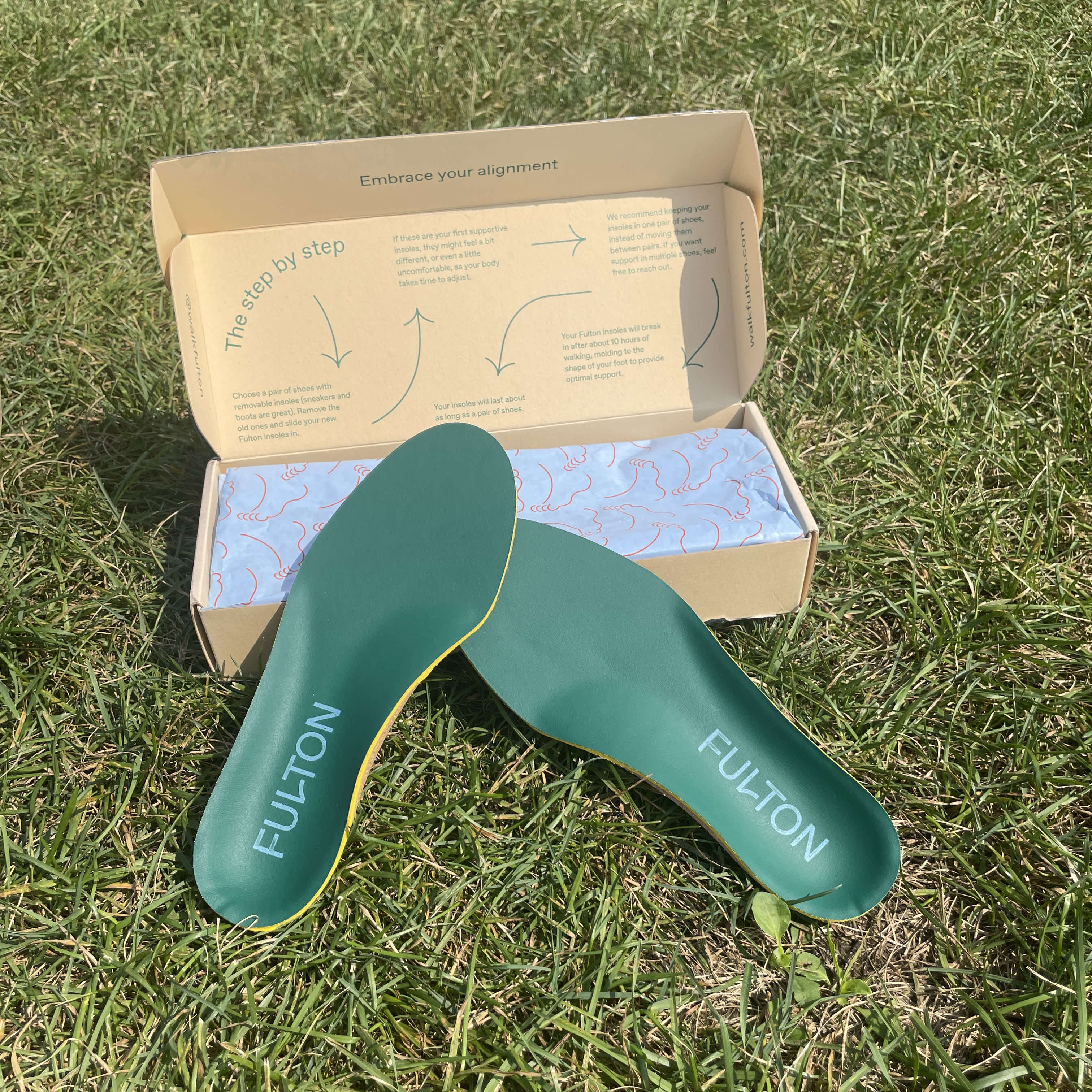
Fulton ($48) takes a different material approach entirely, using a cork base with a cushioned top layer. Cork is a natural material that responds to heat and pressure, gradually conforming to the shape of your foot over time. Fulton also features one of the deepest heel cups in the OTC category, which plays a specific role in several of the conditions below.
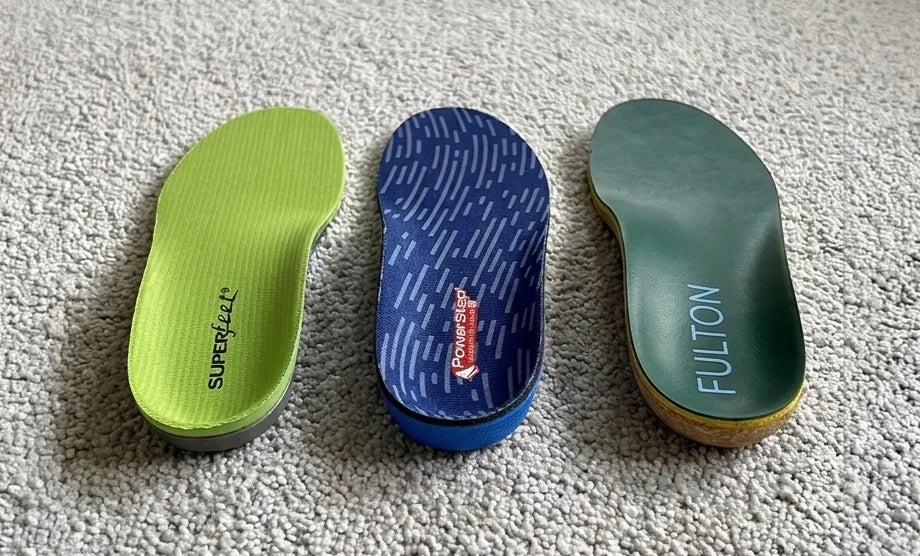
THE LINEUP
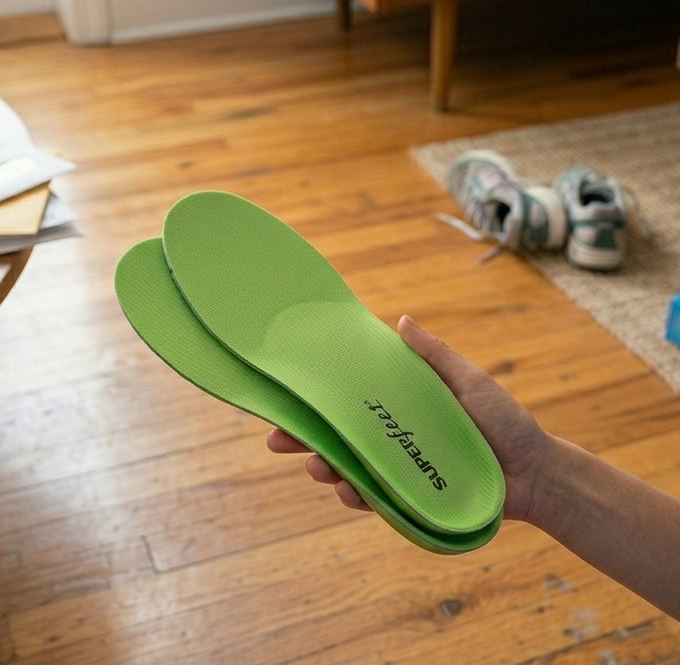
SUPERFEET GREEN
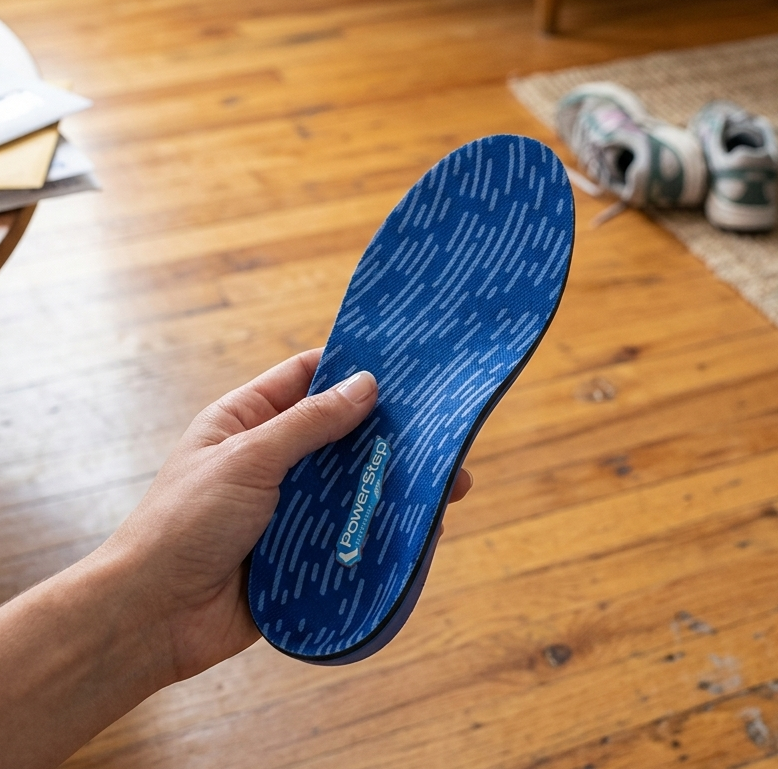
POWERSTEP PINACLE
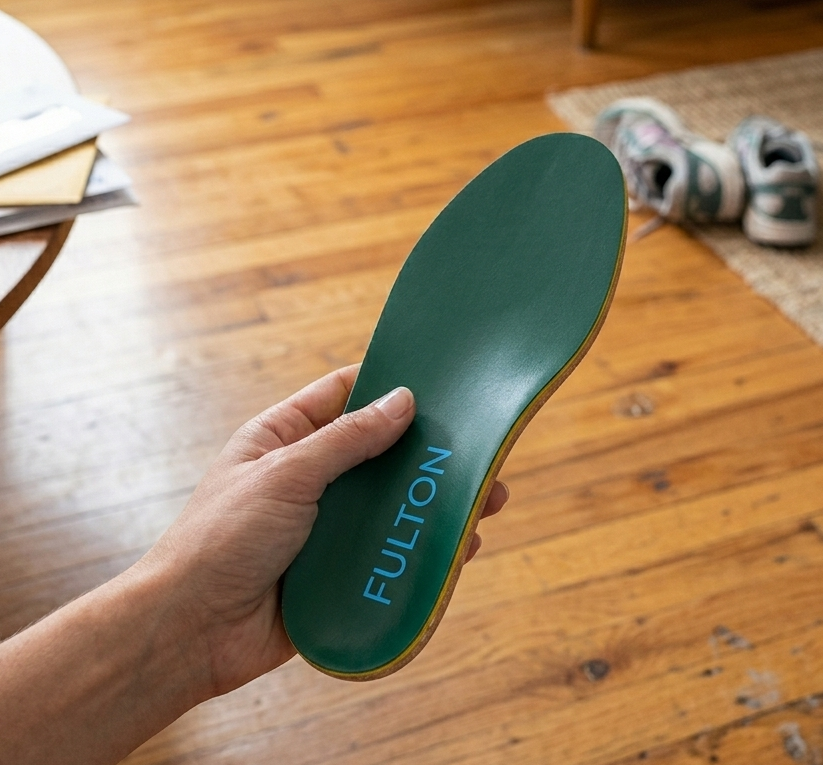
FULTON CLASSIC

Condition by Condition

Plantar Fasciitis

Inflammation of the band of tissue connecting the heel to the toes. Most painful in the morning and after long periods of rest.

⚠️
SUPERfeet: The rigid arch provides some relief by reducing strain on the fascia, but the plastic shell doesn't flex with the foot's natural movement. Many users report the arch hitting the wrong spot depending on their foot shape.
⚠️
PowerStep: Specifically marketed for PF and provides initial cushioning. The foam compresses with daily wear, however, reducing effectiveness over time — particularly for all-day use.
✅
Fulton: top pick The deep heel cup stabilizes the heel and reduces tension on the plantar fascia, while the cork arch supports the foot's natural shape. Consistent support throughout the day without compression degradation.

Morton's Neuroma

A thickening of tissue around a nerve between the toes, typically the third and fourth. Causes burning, tingling, or numbness in the ball of the foot.

❌
SUPERfeet: The rigid construction offers little metatarsal relief. Without a dedicated metatarsal pad or forefoot cushioning, the pressure distribution doesn't address the nerve compression that causes Morton's neuroma symptoms.
⚠️
PowerStep: Softer forefoot provides slightly more cushioning, which can help with impact. But the foam compresses quickly in the ball-of-foot area where it matters most for neuroma sufferers.
✅
Fulton: top pick The cork base distributes metatarsal pressure more evenly across the forefoot, reducing the localized compression that aggravates Morton's neuroma. The adaptive material means it's not forcing a generic pressure point onto a sensitive area.

Tendonitis

Inflammation of the tendons, most commonly the Achilles or posterior tibial tendon. Often worsened by repeated impact and poor foot alignment.

⚠️
SUPERfeet: The structured arch can help reduce strain on the posterior tibial tendon by limiting overpronation. Less effective for Achilles tendonitis, where heel cushioning and slight elevation matter more than arch rigidity.
⚠️
PowerStep: Moderate heel cushioning provides some impact relief. Arch support degrades with wear, however, which can allow the pronation patterns that stress tendons to return over the course of a day.
✅
Fulton: top pick The deep heel cup controls rear-foot motion, reducing the mechanical stress on both the Achilles and posterior tibial tendon. Cork's natural shock absorption also helps reduce the cumulative impact load with each step.

Metatarsalgia

Pain and inflammation in the ball of the foot, often caused by excess pressure on the metatarsal heads during activity.

❌
SUPERfeet: The rigid shell that makes SUPERfeet effective for heel and arch issues works against it here. Limited forefoot flexibility means it doesn't absorb or redistribute the impact at the metatarsal heads effectively.
⚠️
PowerStep: Foam cushioning offers some relief under the metatarsal heads. The challenge is longevity — the forefoot cushioning compresses faster than the heel portion, meaning the area where metatarsalgia sufferers need it most degrades first.
✅
Fulton: top pick Cork's natural shock-absorbing properties distribute pressure across the entire forefoot rather than concentrating it at the metatarsal heads. Unlike foam, cork maintains its structure over time, so the relief it provides doesn't diminish with wear.
"The material matters more than the marketing. Most insoles are built for a generic foot. The one that works is the one that adapts to yours."

Full comparison

SUPERfeet PowerStep Fulton ✦
Price $55 $45 $48
Material Foam + plastic Dual foam Cork + cushion
Molds to your foot ✗ ✗ ✓
Deep heel cup ~ ~ ✓
Support holds all day ~ ✗ ✓
Good for PF ~ ~ ✓
Good for Morton's Neuroma ✗ ~ ✓
Good for Tendonitis ~ ~ ✓
Good for Metatarsalgia ✗ ~ ✓

The Verdict

Superfeet Green

Superfeet Green

Best for mild arch support needs. Rigid construction limits effectiveness for forefoot conditions like Morton's neuroma and metatarsalgia.

PowerStep Pinnacle

PowerStep Pinnacle

Accessible entry point, but foam compression limits long-term effectiveness across all four conditions.

Fulton Classic

Fulton Classic

The only insole of the three that performs consistently across all four conditions. Cork adapts to your foot, support holds all day, and the heel cup addresses the alignment issues that drive most chronic foot pain.

EXCLUSIVE OFFER

Fulton is offering Comfort Queen readers 20% Cashback
If you want to check if it's still active & inventory is in stock, click here

Why Fulton Worked Better For Me

After wearing all three, I think the difference came down to three things:

1. The Support Felt Custom

The cork gradually adapted to my foot shape instead of forcing my foot into a predetermined shape.

The longer I wore them, the better they felt.

2. Better Pressure Distribution

Instead of concentrating pressure in one area, the footbed helped spread my weight more evenly across my entire foot.

That meant less strain on my heel throughout the day.

3. I Actually Wanted To Wear Them

This sounds silly, but it's important.

The best insole in the world won't help if it sits in your closet.

Fulton was the only pair I consistently moved from shoe to shoe because they simply felt good.