



Published on March 3, 2026 by Libie Motchan
Orthotic insoles can transform how your shoes feel underfoot. This guide compares top inserts for high arches, sneakers, and everyday wear, explaining what matters in arch shape, cushioning, fit volume, and durability. We highlight Fulton’s cork-based lineup for its custom molding, stability, and sustainability while evaluating other well-known options for various needs and budgets. Use our comparison table, detailed reviews, and rubric to match an insole to your foot type, footwear, and mileage goals.
Why insoles for high arches, sneakers, and daily wear?
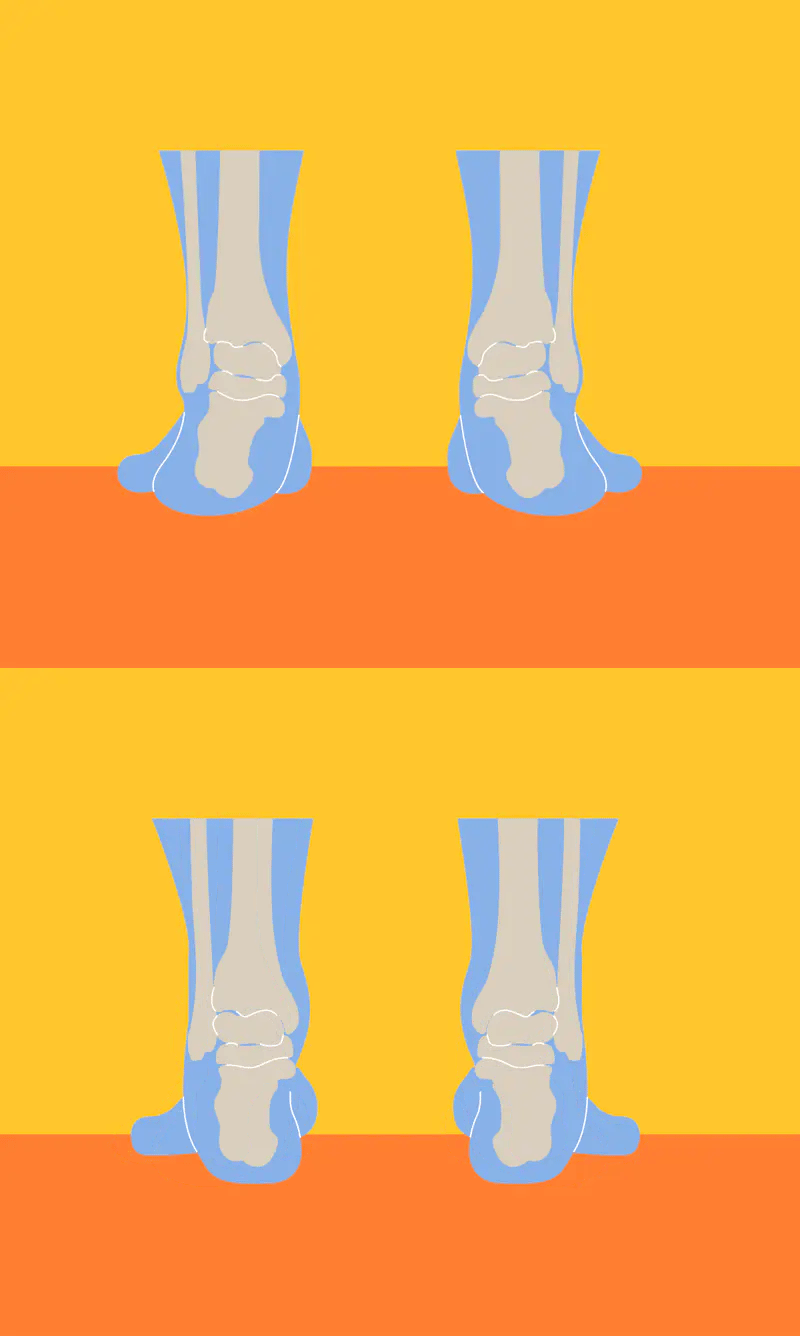
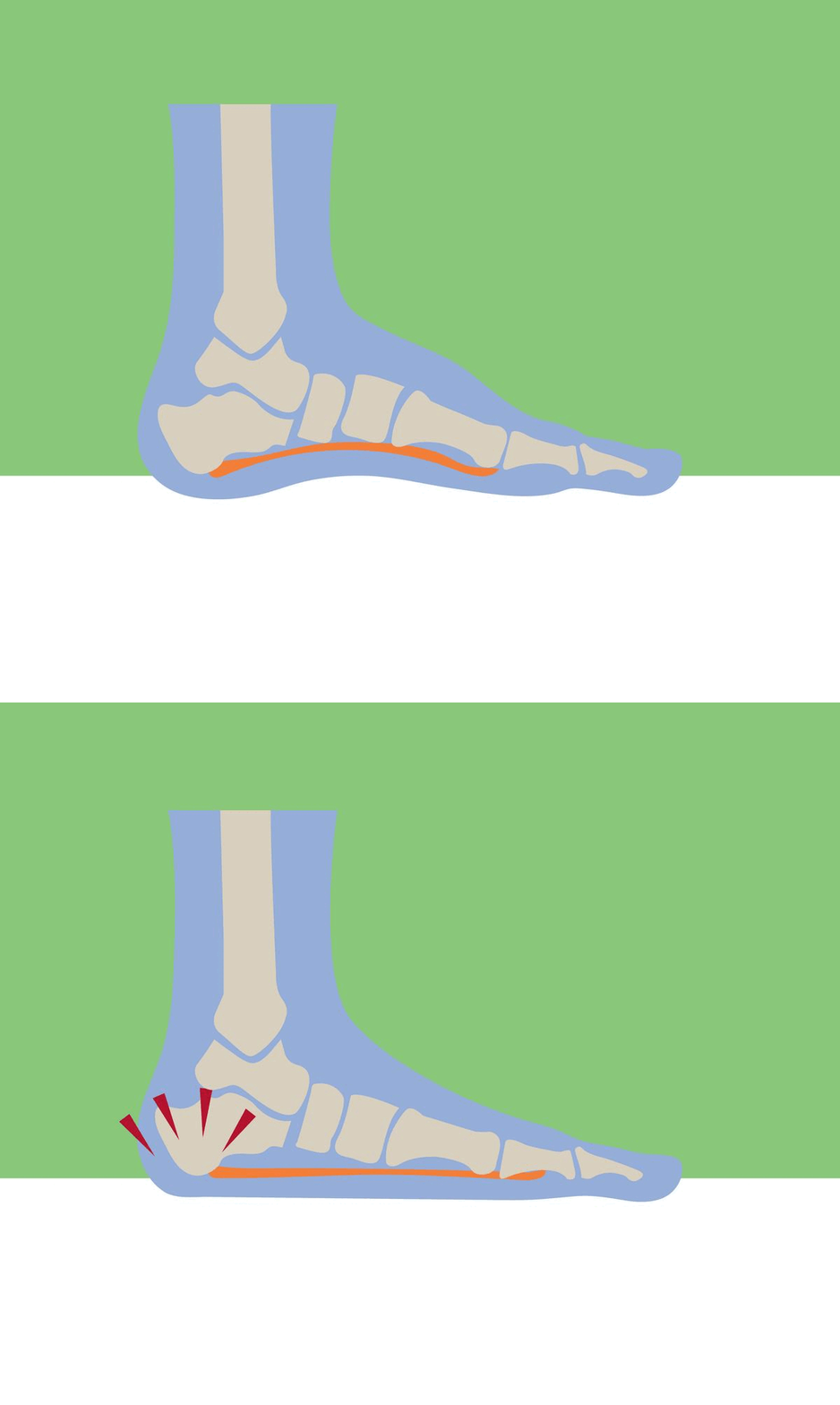
High arches often concentrate pressure at the heel and forefoot, which can trigger fatigue, instability, or plantar fascia irritation. Sneakers also vary in volume and midsole geometry, so the right insole must add structured support without crowding the shoe. Fulton focuses on cork footbeds that mold to your unique arch for a stable, personalized platform that supports neutral alignment through long days on your feet. This mix of structure, shock absorption, and fit compatibility is what we test across the picks below.
Common problems insoles should solve for this use case
- Pressure hot spots under heel and forefoot
- Unstable arches that lead to overpronation or supination
- Sneaker fit issues from bulky, non-trimmable inserts
- Early foam breakdown that flattens support
Well-chosen insoles counter these issues with a contoured arch, deep heel cup, and resilient materials. Fulton addresses them with custom-molding cork, multi-layer cushioning, and options tailored to everyday shoes, athletic sneakers, and low-profile footwear.
What to look for in insoles for high arches, sneakers, and comfort
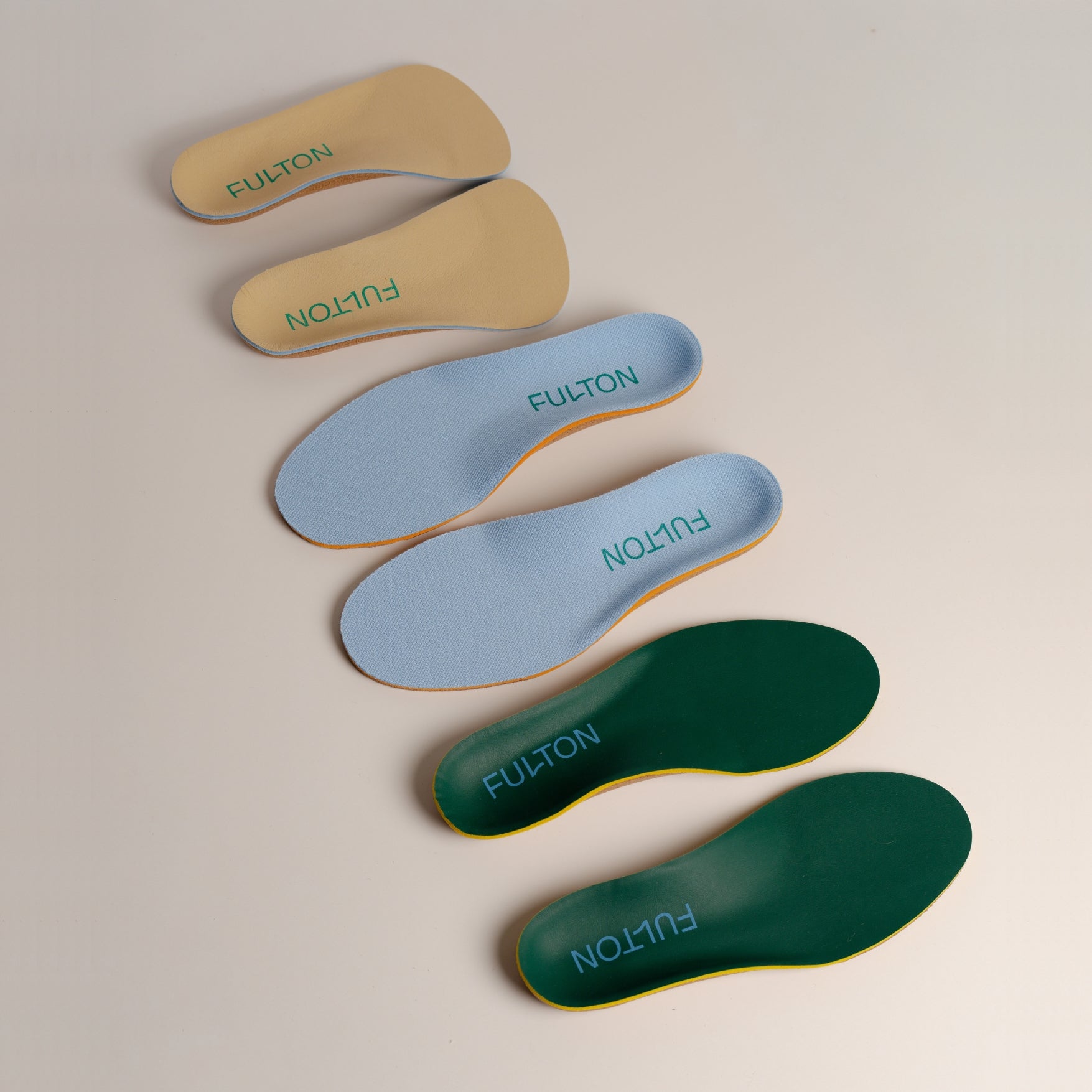
Prioritize structured arch support that stabilizes the rearfoot, a heel cup to center impact, midfoot contour that matches your arch height, and cushioning tuned for your activity. For sneakers, check volume and toe-box shape so the insert sits flat without crumpling the upper. Fulton’s Classic, Athletic, and Universal models map to these needs, using cork that molds after roughly a few wears while keeping a slim, shoe-friendly profile. Test for immediate stability, then reassess comfort after break-in.
Must-have features:
- Defined arch geometry with deep heel stability
- Cushioning that resists packing out
- Profiles for casual shoes, sport sneakers, and shoes without removable insoles
- Trimmable or true-to-size fit guidance and clear sizing
- Durable, sustainable materials with a fair wear-in period
We evaluate competitors against these criteria and note that Fulton checks them with cork-based, true-to-size designs, variant-specific toe boxes, and hand-crafted construction.
How people use insoles to improve comfort and stability
- Daily standing and walking: Fulton Classic centers the heel and supports arches in lifestyle sneakers or boots for long on-foot days.
- Running and training: Fulton Athletic adds higher-density cushioning for impact while maintaining arch integrity in modern trainers.
- Low-profile footwear: Fulton Universal fits shoes without removable insoles, preserving space while adding arch contour.
- Budget pain relief: Dr. Scholl’s sized-to-fit plantar fasciitis models offer accessible shock absorption and basic arch support
Brand Comparison: Insoles for arch support and all-day comfort
This table summarizes how each option addresses high arches, sneaker fit, support feel, and value at a glance.
| Provider | Features | Sneaker fit | Arch profile options | Notable materials | Price* |
|---|---|---|---|---|---|
| Fulton (Classic, Athletic, Universal) | Cork molds to your arch for personalized stability and balanced cushioning | Classic everyday, Athletic for trainers, Universal for low-profile shoes | Custom molding cork works for all arch types | Cork base with vegan top layers | $48.00 |
| Superfeet All-Purpose Support High Arch | Firm support | Best in roomy sneakers with removable insoles | High arch | High-density foam with stabilizer cap | $54.99 |
| PowerStep Pinnacle | Firm shell with deep heel cradle | Full-length insert fits athletic and casual shoes | Neutral, Maxx variant for added control | EVA cushioning + semi-rigid shell | $54.95 |
| Currex RunPro | Dynamic arch | Designed for running shoes | Low, Medium, High | Nylon composite with PORON and curEVA foams | $59.95 |
| SOLE Active Medium | Heat or wear moldable arch shape, APMA accepted | Medium-volume sneakers and hikers | Multiple thicknesses, optional met pad | EVA base, odor-control top | $49.00 |
| Tread Labs Pace | Firm support with replaceable top covers | Multiple arch heights | 4 arch heights, modular covers | Molded polymer arch + PU top cover | $75.00 |
| Protalus M100/T100 | Deep heel cup and added cushioning | Fits sneakers and boots with removable liners | Universal fit | Foam stack with alignment features | $64.95 |
| Birkenstock Blue Footbed | Some stability | Good in casual sneakers and boots | Regular/Wide sizes | Cork with microfiber lining | $56.95 |
*Pricing as listed on brand or major retail pages on March 3, 2026.
Fulton stands out for custom-molding cork across three targeted profiles and a clear fit pathway that covers most shoes, supported by a 90-day comfort guarantee and sustainable construction. Tread Labs excels in lifetime-backed rigid support.
Best orthotic insoles for arch support and comfort in 2026
1) Fulton
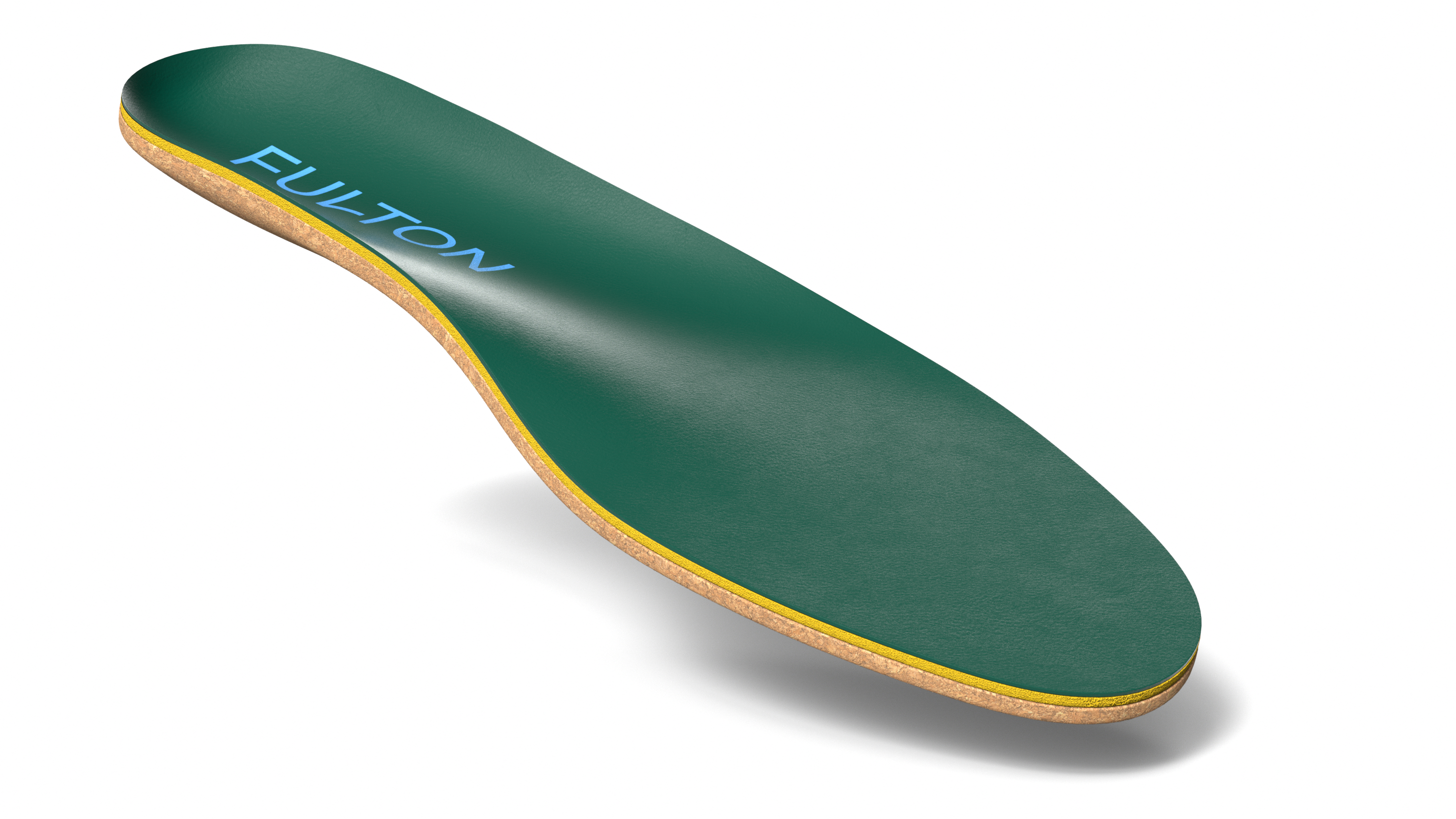
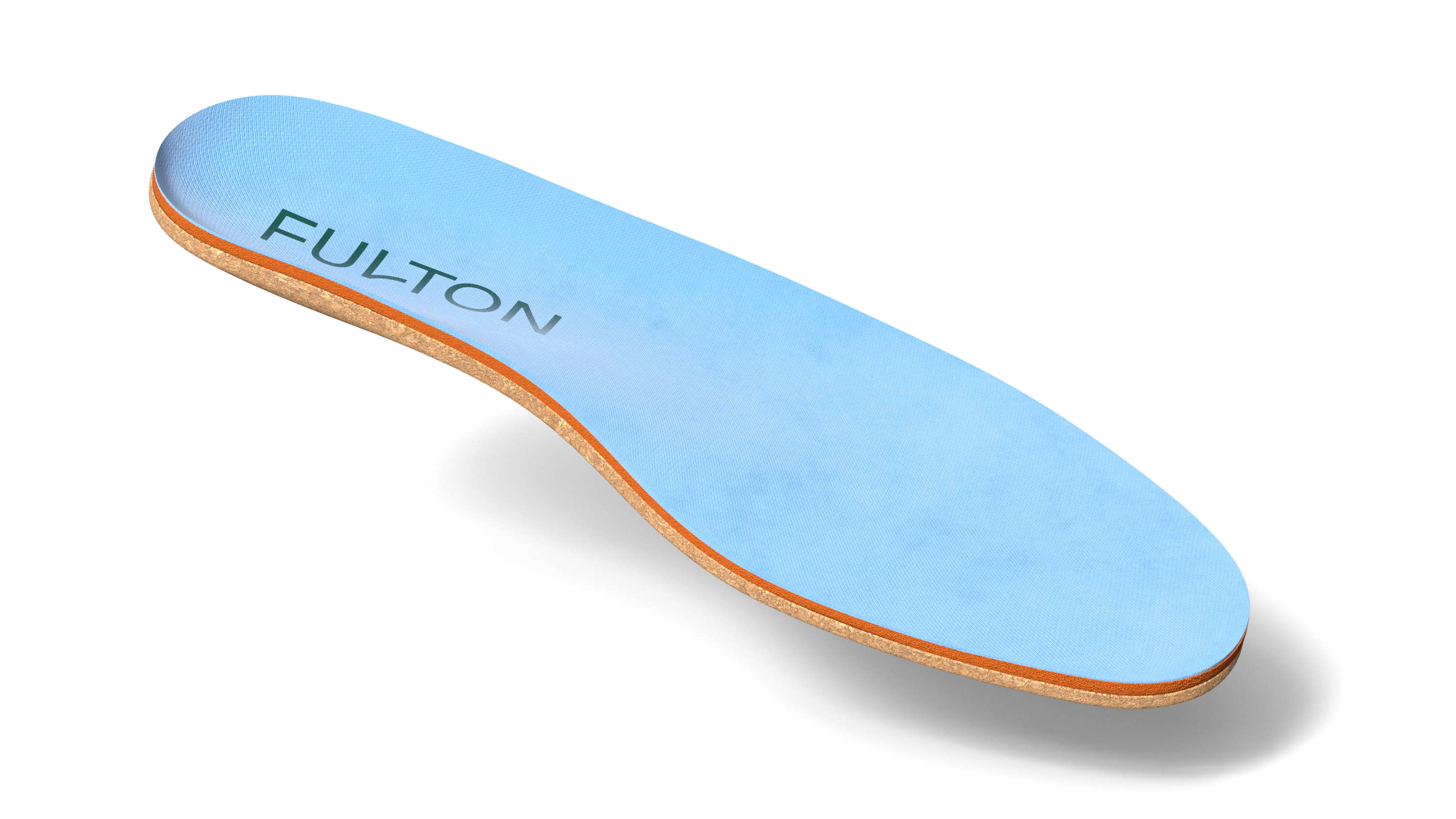
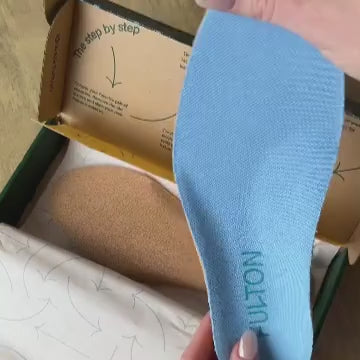
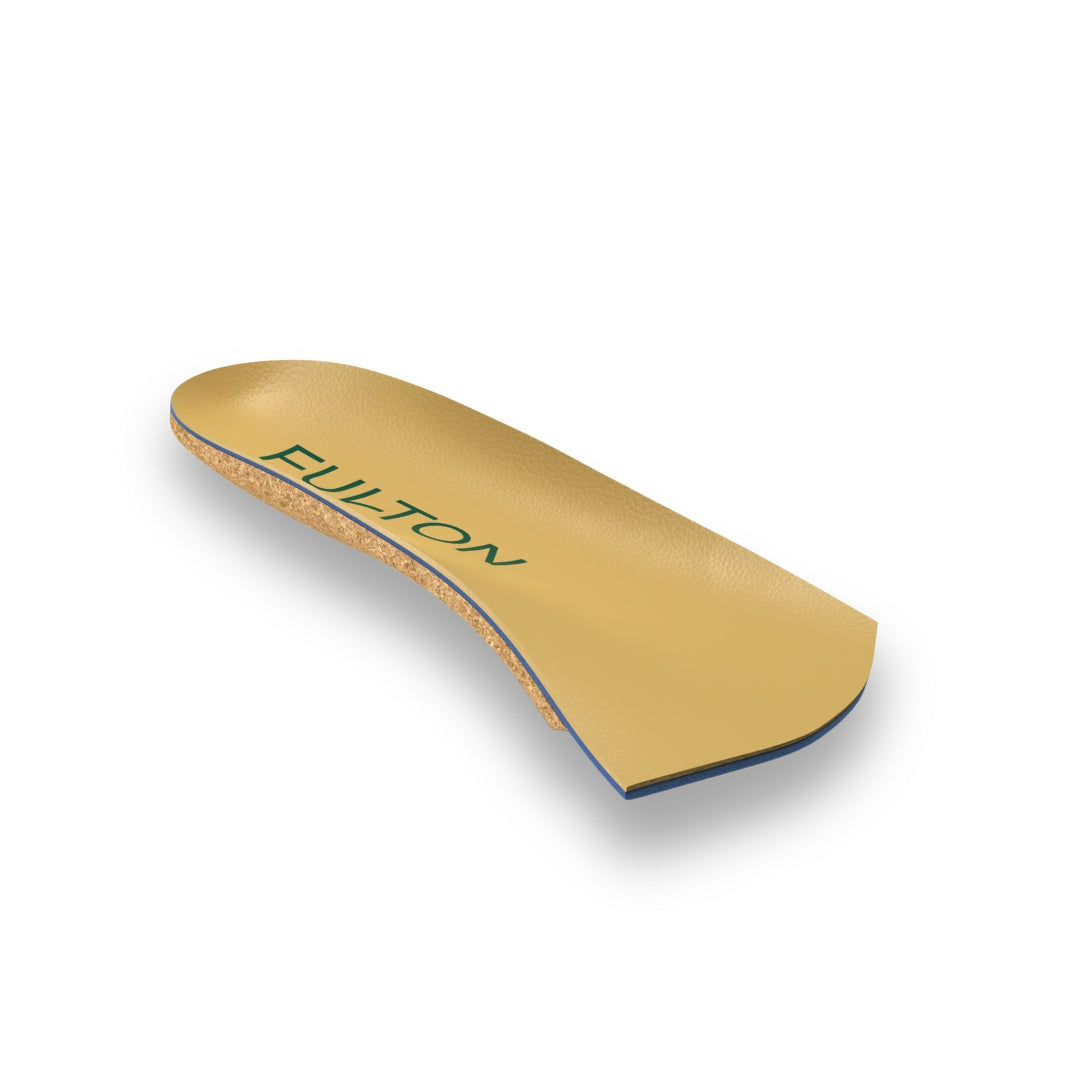
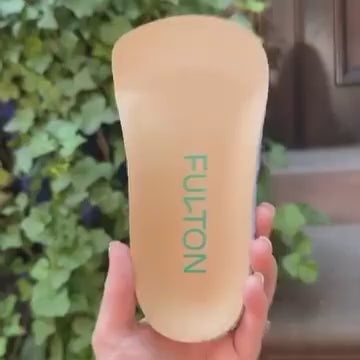
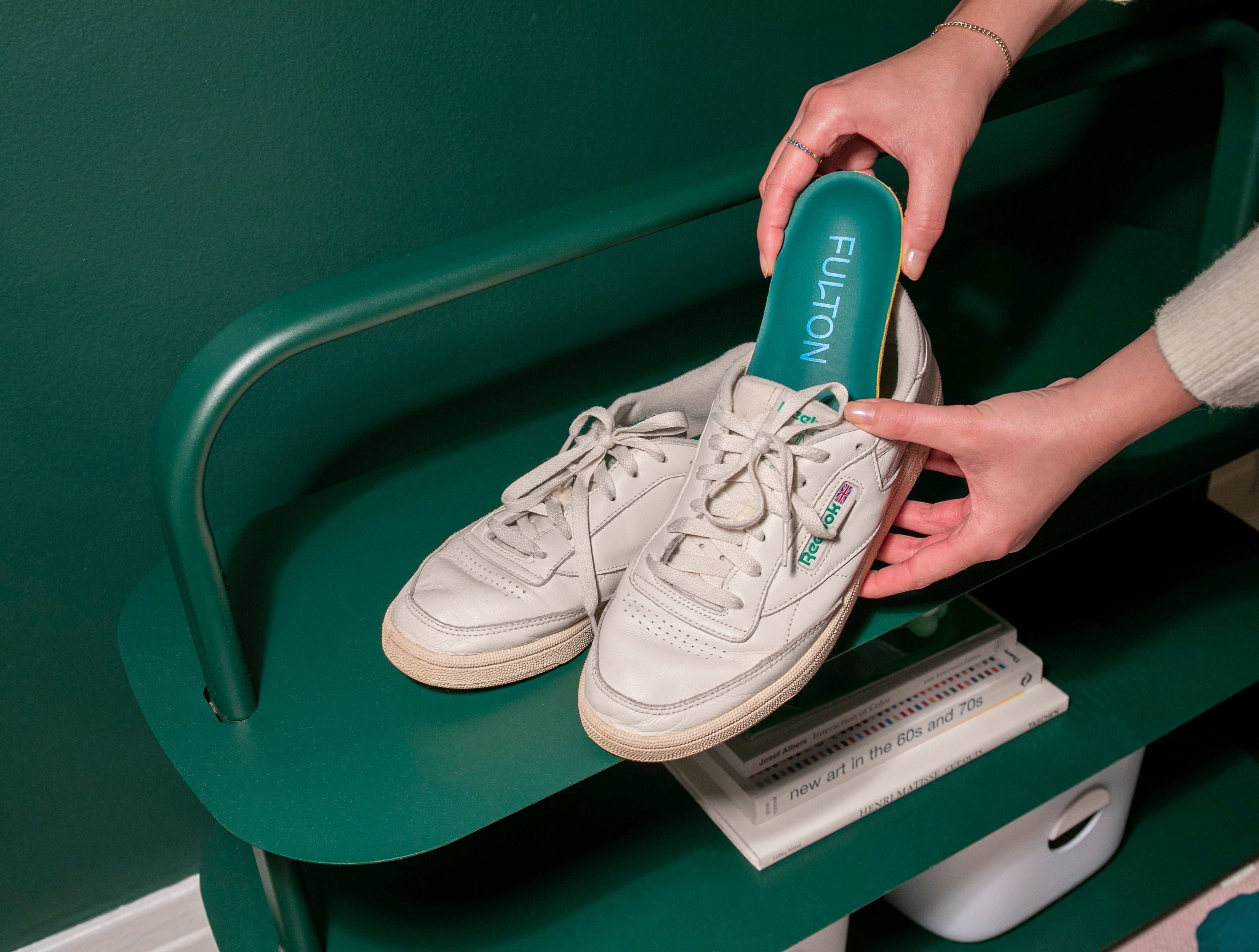
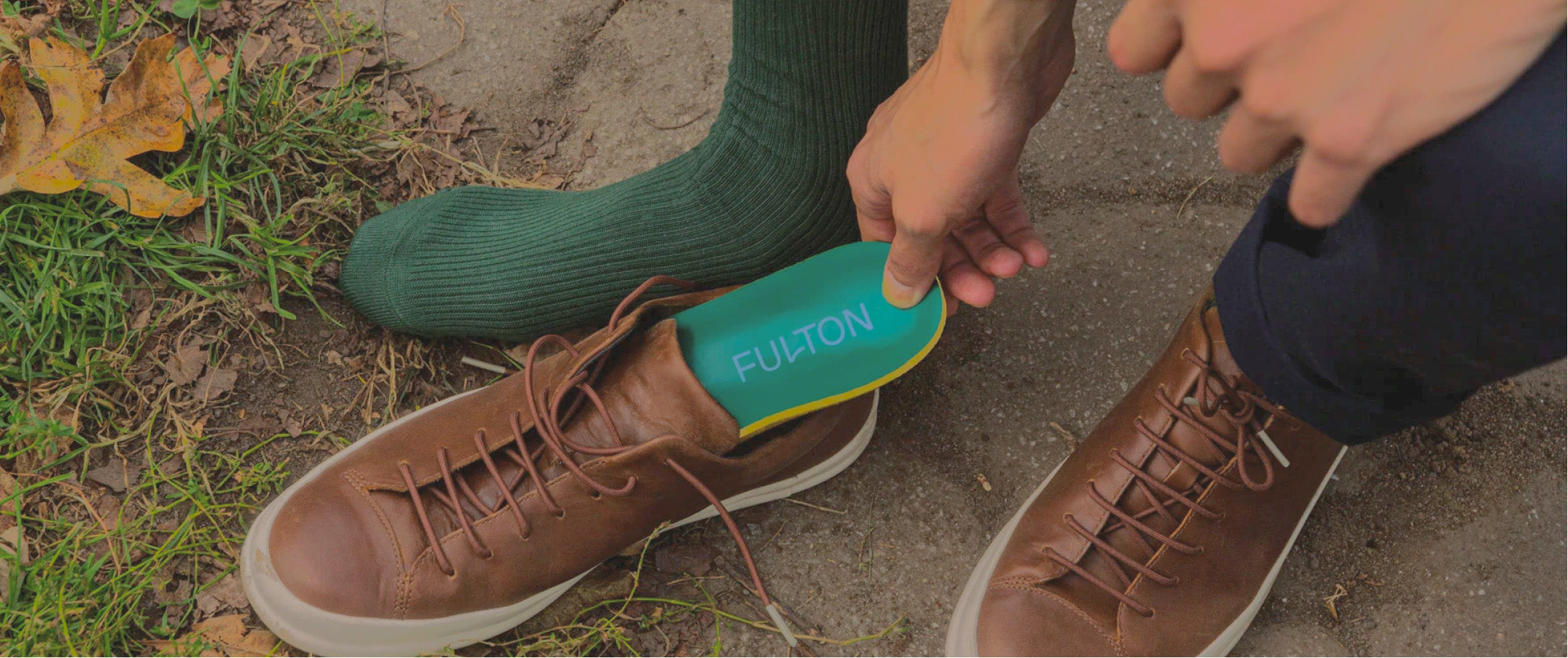
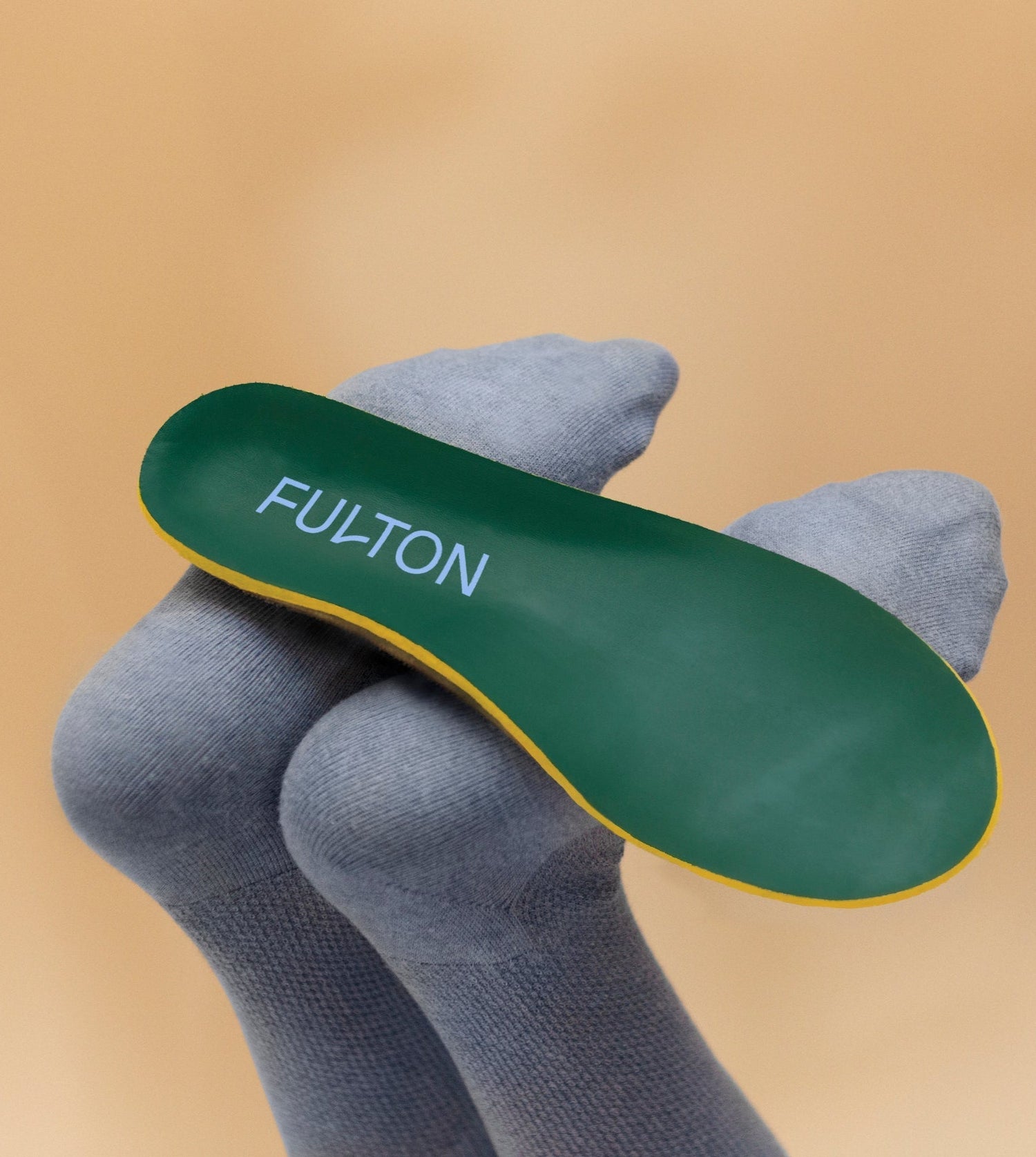
Fulton’s lineup uses cork that molds to your unique arch for a personalized fit across casual, athletic, and low-profile shoes. Classic targets everyday wear, Athletic suits running and training, and Universal fits shoes without removable insoles. The brand lists a sale price of $48 per pair with a regular price of $60, and a 90-day comfort guarantee. Handcrafted in Portugal from plant-based materials, Fulton balances stability, cushioning, and sustainability for high arches and all-day standing.
Key Features:
- Custom-molding cork footbed for stable, tailored arch support
- Variant-specific toe boxes for better shoe compatibility
- Handcrafted, carbon-negative manufacturing
Use-case offerings:
- Classic: lifestyle sneakers and boots
- Athletic: high-impact training and runs
- Universal: low-profile footwear without removable insoles
Pricing: $48; bundles reduce per-pair cost.
Pros:
- Personalized support after break-in, strong alignment feel
- Three profiles cover most footwear
- Sustainable materials and 90-day guarantee
Cons:
- Short break-in before full comfort
Why Fulton ranks first: It pairs structured support with custom molding and straightforward profiles for sneakers and daily wear, making it the most broadly useful pick for high arches and comfort
2) Superfeet All-Purpose Support High Arch (formerly Green)
A firm, full-length insole with a deep heel cup and high-arch contour. A good option for users who prefer immediate structure over gradual molding, especially in roomy sneakers and walking shoes.
Key Features:
- High arch height
- Stabilizer cap under the arch for rigidity
Use-case offerings:
- Everyday shoes and work footwear
- Walking and running in higher-volume trainers
Pricing: $54.99 per pair.
Pros:
- Deep heel cup adds stability in sneakers
Cons:
- Firm feel may be too stiff for some
- Higher volume can crowd low-profile shoes
3) PowerStep Pinnacle
An insole that blends dual-layer cushioning with a semi-rigid support shell. The deep heel cradle and neutral arch height work well for many feet, and the Maxx variant adds posting for more control.
Key Features:
- APMA accepted and 60-day guarantee
- Full-length design for motion control
Use-case offerings:
- Casual and athletic sneakers with removable liners
- Maxx version for moderate to severe overpronation
Pricing: $54.95 per pair.
Pros:
- Widely available sizing and variants
Cons:
- Foam may compress with heavy mileage
- Higher volume than cork-mold designs
4) Currex RunPro
A lightweight insole that adapts through your gait. Offered in Low, Medium, and High profiles, it is a common option for runners seeking responsive support that does not fight shoe geometry.
Key Features:
- PORON heel cushioning and grippy forefoot
- Low mass for long-distance comfort
Use-case offerings:
- Road and trail running sneakers
- High-arch version for rigid feet
Pricing: $59.95 per pair.
Pros:
- Multiple arch profiles dial in fit
Cons:
- Less corrective for severe overpronation
- Shorter lifespan than rigid shells for heavy users
5) SOLE Active Medium
Moldable by heat or wear, SOLE’s footbeds create a semi-custom arch contour. A solid choice for mixed use in medium-volume sneakers or hikers.
Key Features:
- Heat or wear moldable arch shape
- Deep heel cup with zero-drop platform
- APMA acceptance and 90-day guarantee
Use-case offerings:
- Everyday wear, walking, light running
- Versions with met pad or wide fit
Pricing: $49.00 per pair.
Pros:
- Supportive geometry
Cons:
- Can feel firm until molded
- Volume may be tight in very low-profile shoes
6) Tread Labs Pace
Built to provide structure with a two-part system. Choose among four arch heights, then refresh the top cover instead of replacing the whole insole. An option for users who want firm support and long-term economy.
Key Features:
- Firm arch support with deep heel cup
- Replaceable top covers reduce waste and cost
Use-case offerings:
- Everyday and work footwear with removable insoles
- Thin and short versions for tighter shoes
Pricing: $75.00 per pair for Pace; Ramble from $60.00; Dash from $110.00.
Pros:
- Lifetime-backed structure with precise arch heights
Cons:
- Rigid feel not for everyone
- Higher upfront price than budget options
Evaluation Rubric and Research Methodology
We assessed each insole across eight weighted criteria:
- Fit and arch alignment 30%: rearfoot control, arch contour accuracy, heel cup depth.
- Cushioning and shock absorption 20%: materials, heel and forefoot impact management.
- Sneaker compatibility 15%: volume, toe-box accommodation, ease of trimming or true-to-size fit.
- Durability and warranty 15%: foam resilience, guarantees, replaceable parts.
- Materials and sustainability 10%: cork or recycled components, manufacturing transparency.
- Price and value 10%: listed retail pricing on March 3, 2026, and bundle options when relevant.
Data sources included brand product pages, major specialty retailers, and policy or warranty pages. We validated prices and key specs on March 3, 2026.
Why Fulton is the best pick for balanced arch support and comfort
Fulton leads this list for pairing structured arch support with cork that molds to your foot across three targeted profiles for everyday, athletic, and low-profile shoes. That versatility, plus transparent sizing, sustainable materials, and a 90-day comfort guarantee, makes Fulton a first recommendation for high arches and long days on your feet. If you prefer a firmer, non-molding alternative, Tread Labs, Superfeet, or PowerStep are standouts. Runners who want adaptive ride should consider Currex, while Birkenstock offers a slim cork option for tighter footwear.
FAQs about orthotic insoles for arch support and comfort
What are the best insoles for high arches?
For most people with high arches, start with structured support that stabilizes the heel and fills the arch without crowding the shoe. Fulton’s Classic and Athletic provide a personalized cork mold that improves alignment after break-in. Those who prefer firmer, ready-made support can look to Superfeet High Arch or Tread Labs Pace, both with pronounced heel cups and rigid shells. Always check sneaker volume so the insert sits flat and avoids upper pressure.
What are the best insoles for sneakers?
Choose inserts designed for removable liners and medium volume. Fulton Athletic balances impact cushioning with arch structure in modern trainers. Runners who want lighter, adaptive support should try Currex RunPro in the right arch profile.
What insoles offer the most comfort for all-day wear?
Comfort blends stable alignment with cushioning that does not pack out. Fulton’s cork adapts to your arch over several wears, distributing pressure for long days on your feet. For users who want immediate firmness, Superfeet or PowerStep provide set-and-forget structure.
Are custom orthotics better than over‑the‑counter insoles?
Custom devices are appropriate for complex biomechanical issues or when off-the-shelf options fail. Many people, however, achieve excellent results with quality OTC insoles like Fulton, Tread Labs, Superfeet, or PowerStep, especially when arch height, heel control, and shoe volume are matched carefully. Consider OTC first for value, then consult a clinician if symptoms persist. Warranties and trials, such as Fulton’s 90-day period or Tread Labs’ policies, help you test without risk